Yerushalayim Boulevard: A Real Estate Analysis of Jaffa’s Revitalized Artery
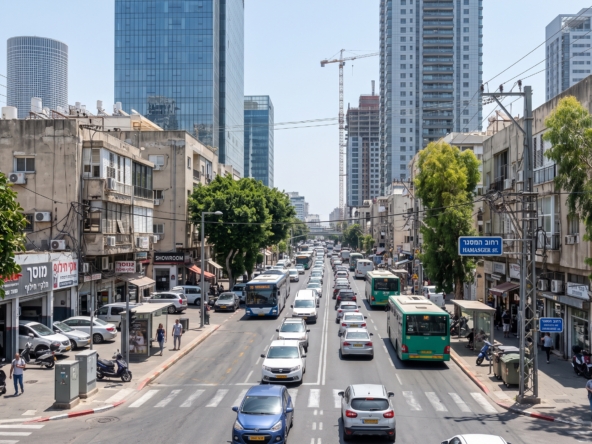
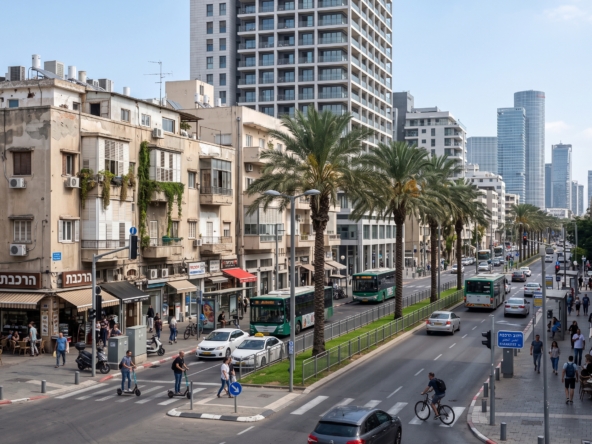
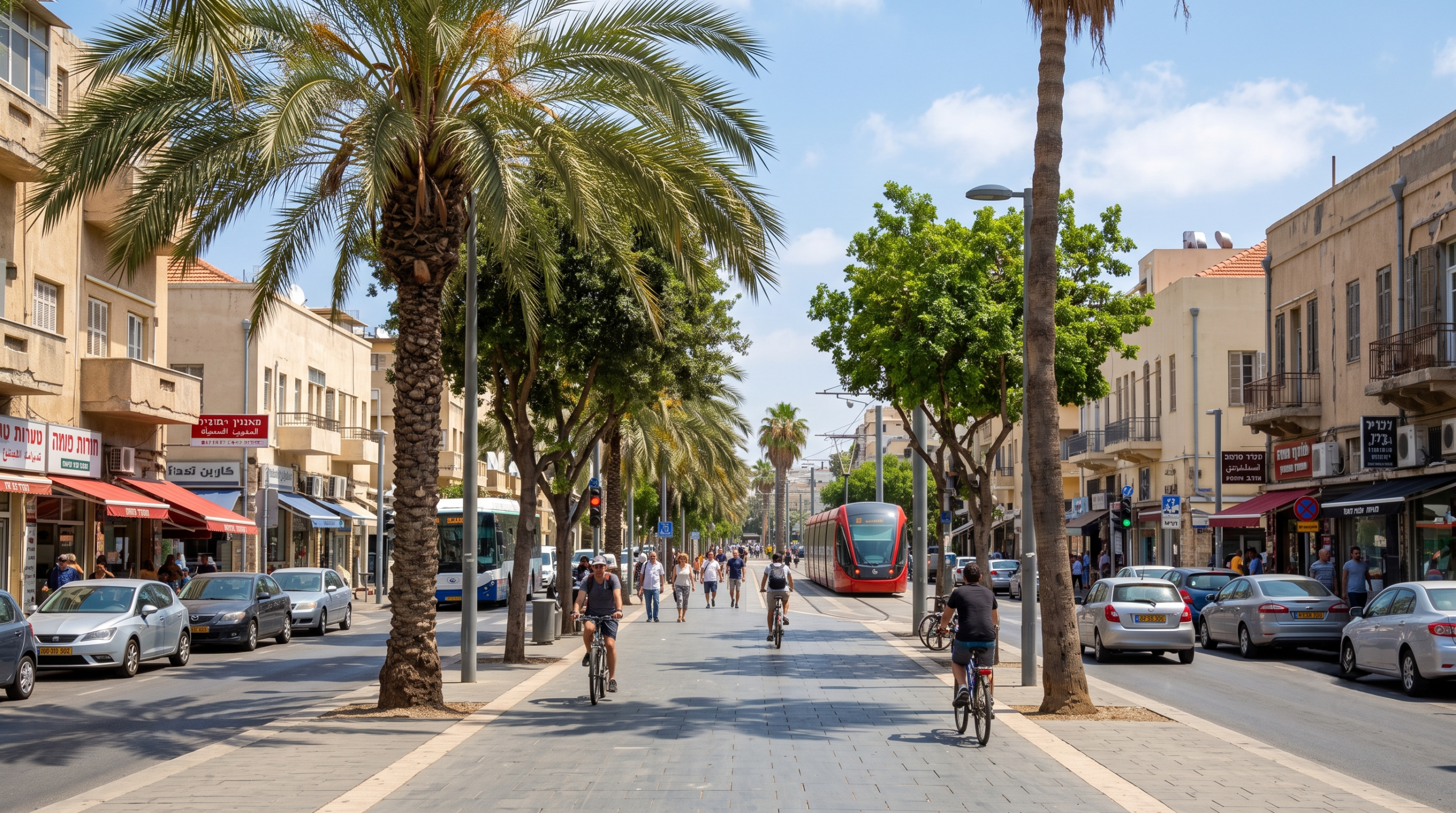
Yerushalayim Boulevard, the historic backbone of Jaffa, has recently undergone one of the most fascinating urban and real estate transformations in the metropolitan area. What was once a heavily congested traffic route has, with the activation of the Light Rail’s Red Line, evolved into a pedestrian-oriented transit mall. This infrastructural pivot is not merely cosmetic; it has fundamentally altered local real estate dynamics, the demographic mix, and the investment potential in the vicinity. For anyone operating as a real estate agent in Israel, tracking these long-term macro trends is essential to understanding asset appreciation.
Infrastructure, Geography, and Local Points of Interest
The geographic placement of Yerushalayim Boulevard grants it a distinct strategic advantage, bridging southern Tel Aviv directly to the historical heart of Jaffa. This accessibility is best demonstrated by its precise proximity to major local anchors:
The Red Line Light Rail: Operating directly along the center of the boulevard. Stations such as “Bloomfield” or “Ehrlich” offer zero-distance access—effectively a 0 to 2-minute walk from building exits directly to the platform—connecting residents to central Tel Aviv with highly reliable transit times.
Jaffa Flea Market (Shuk Hapishpeshim): The culinary and cultural epicenter of Jaffa is situated an approximate 8-minute walk (about 650 meters) from the northern segments of the boulevard. This provides residents quick access to a vibrant nightlife and commercial scene without the direct noise pollution of entertainment venues.
Bloomfield Stadium: Located about a 10-minute walk (roughly 800 meters) east of the boulevard, establishing the broader area as a primary urban focal point equipped with highly developed sports and leisure infrastructure.
Architecture, Market Trends, and Demographics
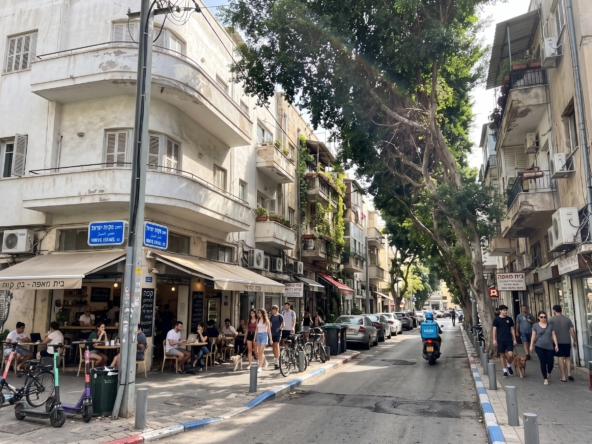
The built environment along Yerushalayim Boulevard is defined by a rare eclecticism. High-ceilinged, arched-windowed historical buildings from the Ottoman and Mandatory periods stand alongside new luxury boutique developments and comprehensive urban renewal projects.
The buyer demographic has shifted substantially. Today, we observe a steady influx of high-net-worth investors, tech professionals, and foreign buyers seeking historical character integrated with modern convenience. The intensity of this demand mirrors the traditional affluent zones familiar to any top real estate agent in Tel Aviv. These buyers are willing to invest capital into preservation properties or renovated premium apartments, understanding that the supply of historically significant assets situated directly on a light rail corridor is severely limited.
Expert Tip: The Critical Importance of Precision Measurement
Precision Measurement (Gross/Pladelet vs. Net/Tabu): It is imperative to highlight that the Israeli real estate market is priced and operates according to the gross area (known locally as “Pladelet area”—the net area of the apartment plus the footprint of internal and external walls, excluding shared spaces like stairwells).
The vast majority of sellers make a terrible mistake by advertising their property based on the Tabu (land registry) or Arnona (municipal tax) records, which present an area significantly smaller than the true size of the apartment! At Concord, recognized among the top real estate agencies in Israel, we physically measure every property in advance to present the true, full size (Gross). By doing so, we maximize the property’s valuation for the seller and prevent missing out on potential buyers who might have filtered the apartment out on listing portals, mistakenly assuming it was “too small.”
Analytical Angles: Pros vs. Cons
Pros:
Absolute Transit Accessibility: The minimized reliance on private vehicles makes properties here exceptionally attractive to young professionals, renters, and international buyers.
Steady Value Appreciation: Urban renewal is still active. Secondary streets flanking the boulevard (such as Yehuda Hayamit or Shivtei Yisrael) are expected to continuously upgrade their infrastructure, pulling fresh capital into the sector.
Unique Urban Character: A rare blend of rich historical architecture located just a short walk from the Mediterranean coastline and Jaffa’s cultural complexes.
Cons:
Parking Challenges: Transforming the boulevard into a public transit and pedestrian zone has drastically reduced street-level parking. Buyers must either ensure a registered parking spot in the Tabu or rely entirely on alternative mobility solutions.
Strict Preservation Limitations: Many assets in this specific area are bound by rigorous municipal preservation laws. This can significantly increase the cost of renovations and extend the timeframe required to secure permits for engineering modifications.
Frequently Asked Questions (FAQ)
Is buying property on Yerushalayim Boulevard a secure investment long-term? Yes, with a high degree of certainty. The municipality’s massive investments in long-term infrastructure, combined with the operational reality of the Light Rail, anchors the boulevard as a primary urban axis immune to passing trends. Demand for residential assets along mass transit corridors historically demonstrates robust long-term stability.
How does the Red Line light rail practically impact daily living on the boulevard? Beyond mere accessibility, the light rail has dramatically reduced the air pollution and engine noise from private cars and buses that previously characterized the street. It has transformed the boulevard into a safer pedestrian environment, encouraging the opening of ground-level cafes and small commercial businesses that cater directly to local residents.
What restrictions exist when renovating properties in the historical buildings here? Many buildings hold varying degrees of preservation status. This means any alteration to the building’s exterior façade (including enclosing balconies, installing non-compliant historical windows, or placing visible HVAC infrastructure) requires special permits from the preservation department. Interior modifications are generally permitted, provided that careful architectural planning ensures the historical structural integrity is not compromised. Any experienced realtor in Israel will verify these statuses before a transaction.
To schedule a consultation, property valuation, or a property tour with Concord Real Estate, led by CEO Guy Gidon (Frishman 21, Tel Aviv), contact us at: +972 50-999-0402.