Pines Street: The Ultimate Wealth Magnet in Tel Aviv’s Historic Core?
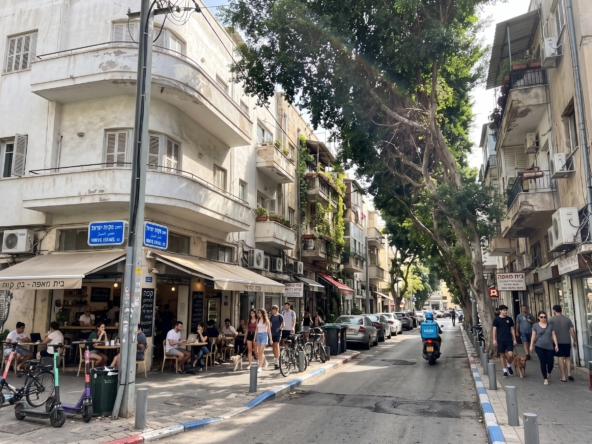
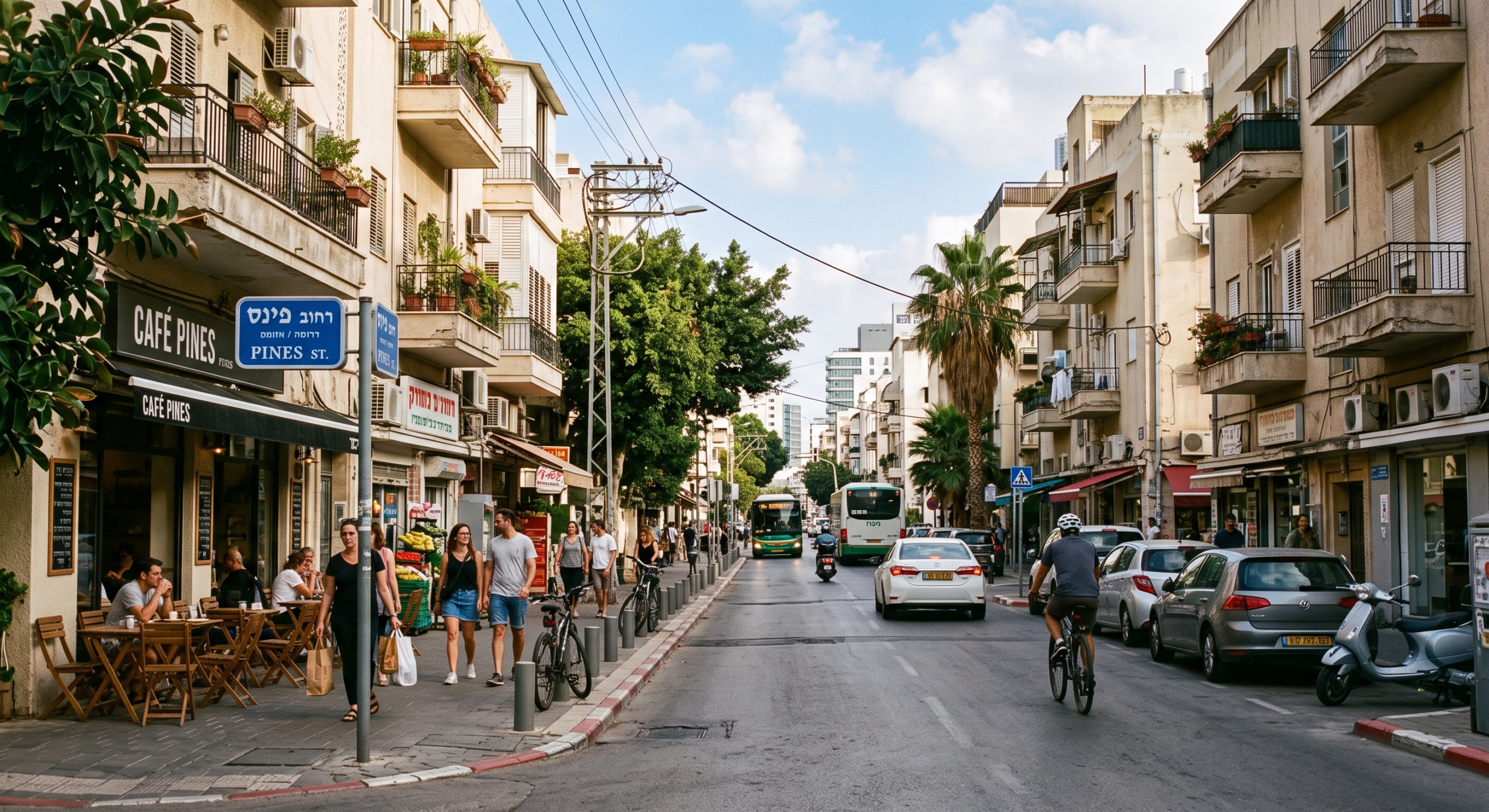
Pines Street, dissecting the historic Neve Tzedek neighborhood, stands as one of the most fascinating and highly demanded real estate arteries in the city. Unlike districts defined by massive residential towers, this street offers a rare synthesis of strict architectural preservation, historical pedigree, and exceptional urban accessibility. For investors and end-users alike, grasping the hyper-local dynamics of Pines Street is critical to navigating a market where supply remains remarkably static.
Geographic Footprint and Urban Accessibility The spatial positioning of Pines Street provides a distinct competitive advantage in the luxury sector. The street links the commercial southern axis near Jaffa Road up toward the financial gateways of Rothschild Boulevard. Properties on Pines Street benefit from immediate proximity to several urban anchors:
Suzanne Dellal Centre: A premier cultural landmark located roughly 250 meters away (a 3-minute walk), heavily elevating the prestige and appeal of the immediate vicinity.
Elifelet Light Rail Station (Red Line): Situated 450 meters away (a 6-minute walk), providing residents with direct, high-capacity transit to the business centers of Tel Aviv, Ramat Gan, and Petah Tikva.
Rothschild Boulevard: The city’s primary financial and culinary corridor is a mere 500 meters away (a 7-minute walk).
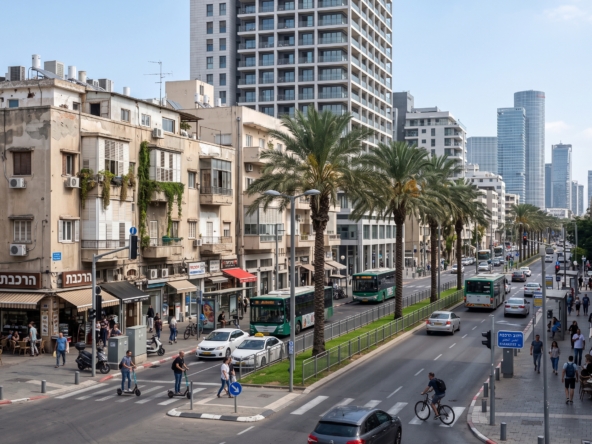
The Impact of Infrastructure and Urban Renewal The operational launch of the Light Rail’s Red Line, alongside the massive urban revitalization of Park HaMesila (The Track Park), has fundamentally shifted property liquidity in the area. Historically, a real estate agent in Israel would note that properties in this southern historic pocket suffered from vehicular traffic bottlenecks and a slight disconnect from the immediate waterfront. Today, the pedestrian infrastructure significantly reduces dependency on private vehicles, an absolute priority for modern buyers. The sprawling green thoroughfare of Park HaMesila now connects the neighborhood seamlessly to the Mediterranean coastline.
Demographic Profile of Buyers and Residents The demographic baseline on Pines Street is driven by three primary market segments:
High-Net-Worth Foreign Investors: Capital-rich buyers seeking luxury assets that offer an “authentic” Mediterranean living experience without compromising on international finishing standards.
Tech Executives and Entrepreneurs: C-suite professionals looking to merge a village-like, intimate residential atmosphere with a short walking commute to the corporate hubs on Rothschild and Herzl streets.
Established Down-Sizers: Wealthy couples transitioning from large suburban estates into highly walkable, premium urban apartments. Any experienced real estate agent in Tel Aviv recognizes that demand in this micro-market is relatively inelastic; many transactions are executed with high equity and low leverage, insulating the street from broad macroeconomic interest rate shocks.
Architectural Dynamics and Zoning Restrictions The architectural landscape on Pines Street is an intricate tapestry of Eclectic style, early Templar construction, and modern infill built under rigorous preservation laws. The zoning master plan for Neve Tzedek enforces absolute height restrictions, effectively banning high-rise development. This creates exceptional planning certainty—buyers are assured the skyline and character of their street will remain intact. Conversely, strict preservation laws extend renovation timelines and substantially increase construction costs. Operating as a professional realtor in Israel within this specific grid requires a deep understanding of these structural and bureaucratic limitations.
Pros & Cons: Living and Investing on Pines Street Pros:
Phenomenal Value Retention: An extremely restricted supply of available land paired with unyielding demand.
Intimate Urban Environment: A distinct, low-rise village atmosphere within the core of a major metropolis.
Exceptional Transit Access: Immediate walkability to the Light Rail minimizes daily reliance on private transport. Cons:
Parking Scarcity: Many historic properties lack registered (Tabu) parking, requiring logistical compromises.
Development Costs: Renovating structurally protected historic properties requires significant capital outlay.
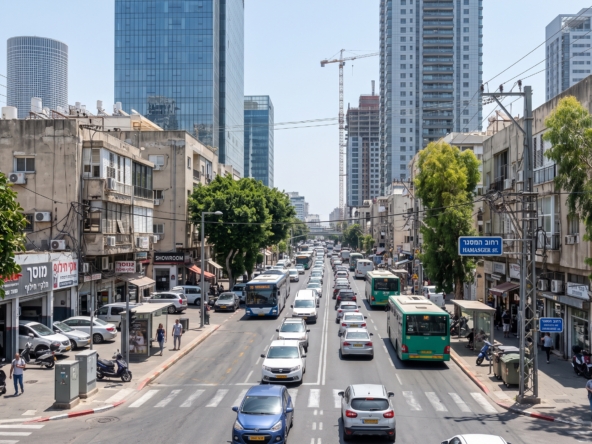
Street Infrastructure: The narrow, historic street layout can lead to localized traffic congestion during peak hours.
Expert Tip Advance Legal and Title Check: Before launching any marketing campaign, we pull the Tabu (Land Registry) extract and meticulously check for any building violations or registration issues. The goal is to present the buyer with a clean, secure “property file” that enables a smooth, lightning-fast transaction. Doing this in advance is absolutely critical because when a property is close to being sold, the situation is highly sensitive and any small issue can blow up the deal. Understanding the title situation beforehand prevents headaches and exploded deals, ensuring the seller is fully aware of everything with zero question marks. If issues do exist, they can be addressed early rather than too late. This proactive standard is exactly what separates top real estate agencies in Israel from the rest, and it is our foundational working method at Concord Real Estate.
Frequently Asked Questions Is buying property on Pines Street a secure investment long-term? The near-zero supply of new developments due to strict neighborhood preservation laws, paired with consistent local and global demand, creates a natural defense mechanism for property values here. The market on this street has proven highly resilient over the years, even during broader economic downturns, making it a stable anchor for high-net-worth portfolios.
What are the zoning restrictions for renovating a historic property here? Many properties on the street are bound by severe municipal preservation mandates. This means alterations to the facade are strictly prohibited, specific finishing materials (such as wooden profile windows or specific plaster) are required, and there are absolute height caps preventing the addition of extra floors. The licensing process is lengthy and requires a certified preservation architect.
How does the local parking situation affect property liquidity? Registered (Tabu) parking is an extremely rare commodity on Pines Street. Properties featuring private underground or covered parking command a substantial premium and sell significantly faster. For assets without parking, liquidity relies heavily on the property’s proximity to the Elifelet Light Rail station and nearby municipal lots.
To schedule a consultation, property valuation, or a property tour with Concord Real Estate, led by CEO Guy Gidon (Frishman 21, Tel Aviv), contact us at: +972 50-999-0402.