Namir Road, Tel Aviv: The Evolution from Transit Artery to Luxury Real Estate Hub
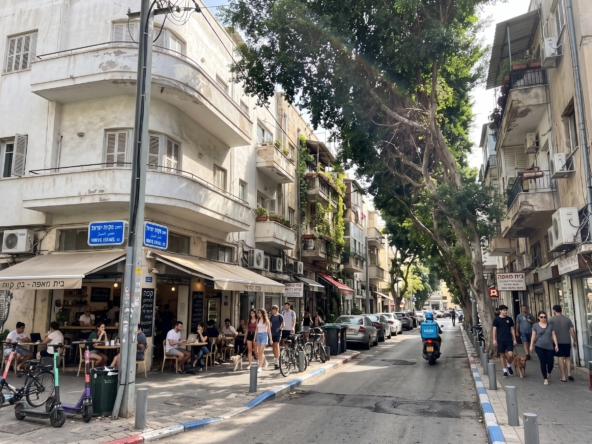
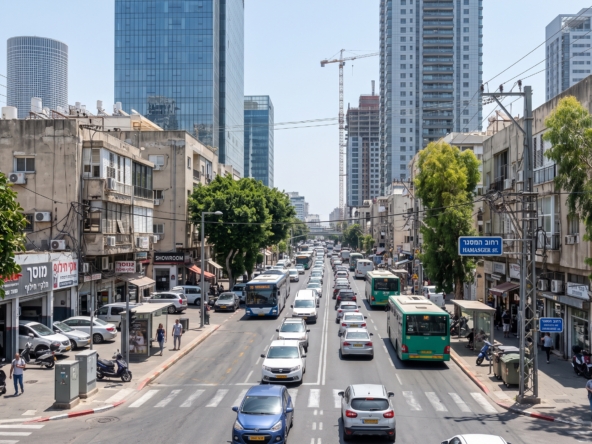
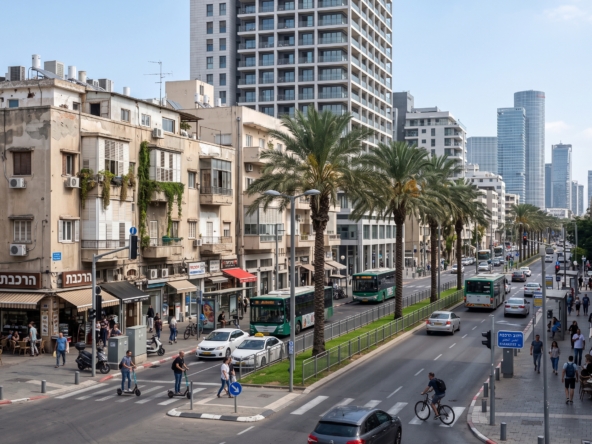
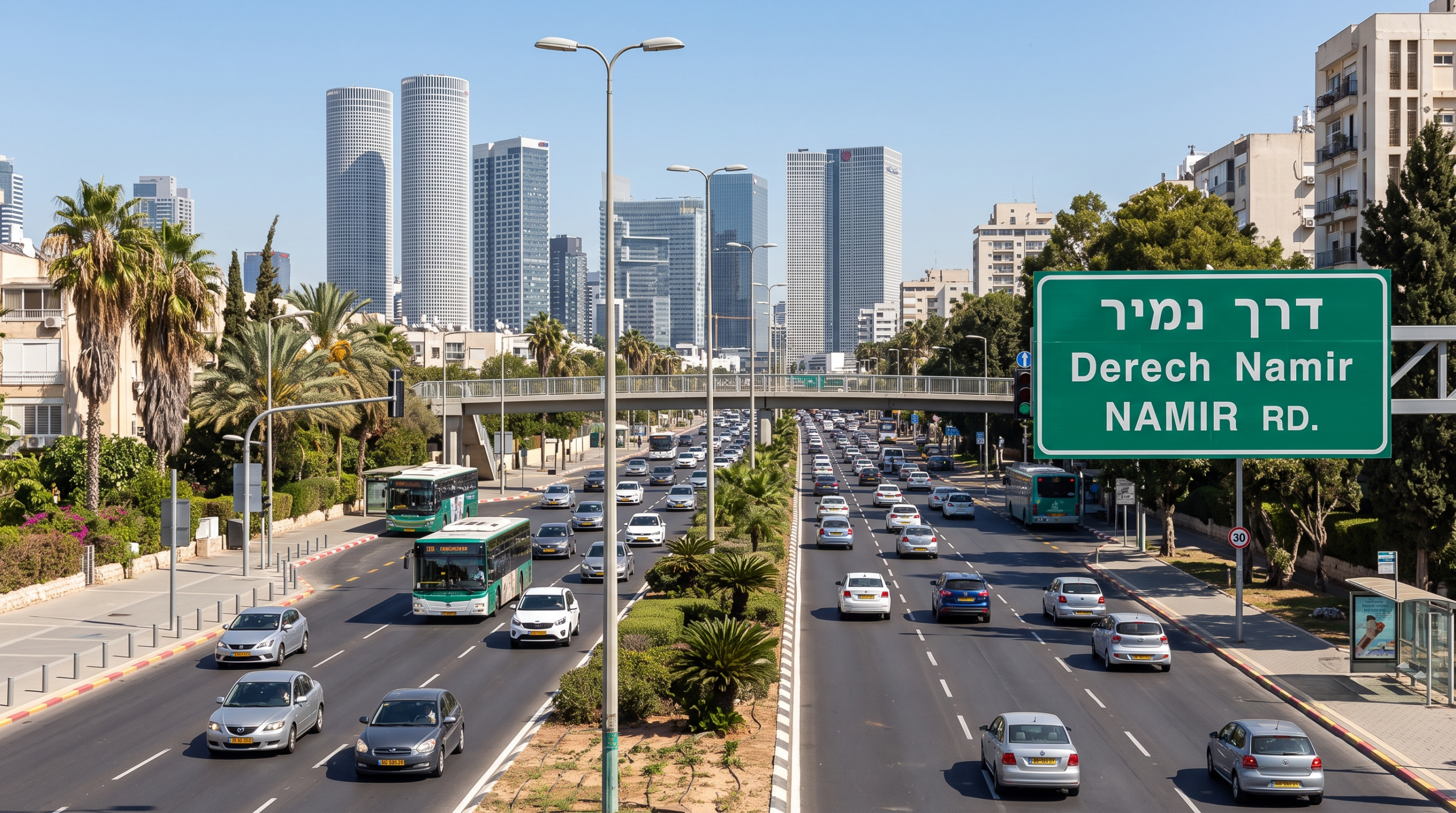
Namir Road is historically known as one of Tel Aviv’s primary traffic arteries, but in recent years, it has been undergoing a dramatic metamorphosis. Evolving from a strictly functional route connecting the north of the city to the center, the street is restructuring its identity. It has become a significant focal point for developers, investors, and high-end residential buyers. The steady transition from a bustling thoroughfare to an urban boulevard integrating luxury housing, local commerce, and advanced transit infrastructure demands an objective and deep analysis of the real estate potential inherent in this location.
Strategic Location and Geographic Context
Namir Road bisects Tel Aviv from north to south, serving as both a physical and demographic seam between the Old North and the New North neighborhoods. The unique positioning of this street grants its residents unprecedented accessibility to the city’s major points of interest. Intersecting streets—such as Yehuda Maccabi, Pinkas, and Arlozorov—directly connect residents to the pulsating heart of the city’s leisure and commercial zones.
The main advantage of residing on this axis is the immediate proximity to prominent urban anchors. In the northern segment of Namir Road, residents enjoy an approximate 10-minute walk (about 850 meters) to Park Yarkon, the most significant green lung in the Gush Dan region. The central stretch offers swift access to Kikar HaMedina, located just a 7-minute walk (about 600 meters) from the intersection with Jabotinsky Street. In its southern part, Namir Road borders the Arlozorov Terminal (Terminal 2000) and the Tel Aviv Savidor Central Railway Station, situated less than a 5-minute walk away (about 400 meters), providing ultimate transit superiority for daily commuters.
The Impact of Future Infrastructure: The Green Line & Urban Renewal
It is impossible to analyze the real estate market on Namir Road without addressing the massive infrastructure project taking place along its length—the Light Rail’s Green Line. The ongoing construction undeniably creates localized challenges regarding noise and traffic alterations. However, from a long-term real estate perspective, this is a significant value-enhancement catalyst. Upon completion, the street is slated to undergo a process of “re-urbanization,” which will include reducing private vehicle lanes in favor of wide sidewalks, regulated bike paths, and quiet, highly accessible public transportation.
Parallel to the infrastructure upgrades, Namir Road is a fertile ground for urban renewal projects, including Pinui-Binui (evacuation and construction) and TAMA 38. The older “railway” style buildings and low-rises of the 1960s and 70s are rapidly making way for modern residential towers and boutique buildings. This process is altering the skyline of the area and introducing a supply of new apartments built to exacting standards. These feature safe rooms (Mamad), underground parking, and balconies—elements that are absolute necessities for buyers in this part of the city. Working with a knowledgeable real estate agent in Tel Aviv who deeply understands the local city zoning plans has become critical to grasping the true potential of every plot.
Architecture and Market Trends
The architecture along Namir Road reflects the historical transition of the city. Alongside functional, veteran buildings, new architectural projects are emerging, characterized by advanced acoustic glass facades designed to isolate the noise from the main axis. Modern architectural planning emphasizes directing the public spaces of the apartments (living rooms, balconies) towards quieter directions or utilizing construction technologies that create a silent envelope within the urban environment.
Regarding market trends, we observe a clear shift from small apartments intended for rent toward spacious family homes and premium residences. The local market in this area is driven by demand from buyers seeking the prestige and comfort of the Old and New North, yet who require rapid accessibility to city exits and central traffic arteries. Navigating these shifts requires the expertise of a professional realtor in Israel who can distinguish between transient trends and solid structural shifts in property values.
Demographic Profile
The physical transformations on the street bring about a shift in the population profile. While Namir Road previously housed mainly temporary renters or long-time older residents, today’s new projects attract a more affluent demographic cross-section. The core target audience includes high-socioeconomic young families seeking excellent local education and proximity to the park, business executives and tech leaders who value the proximity to the train stations and the Ayalon Highway, and local upgraders from neighboring streets who desire a new, modern property without leaving their familiar area.
Expert Tip: Precise Measurement and Maximizing Property Value
When approaching the sale or purchase of a property in such a high-demand area, every square meter carries critical weight. This is where professional experience and correct working methods come into play. When selecting among the top real estate agencies in Israel, transparency and a deep understanding of real estate pricing metrics are non-negotiable.
Precise measurement (Gross/Peledelat vs. Net/Tabu): It is mandatory to emphasize that the real estate market in Israel is priced and operates according to gross area (known as “Peledelat area” – the net area of the apartment plus walls, but excluding shared spaces like the stairwell). Most sellers make a terrible mistake and advertise the property according to the Tabu (land registry) or Arnona (municipal tax) registry, which present an area significantly smaller than the true size of the apartment! At Concord, we physically measure every property in advance to present the true, full size (gross), thereby maximizing the property’s value for the seller and preventing the loss of buyers who might have filtered out the apartment on listing boards thinking it was too “small.”
Objective Analysis: Pros vs. Cons
Pros:
Peak Accessibility: Rapid exits out of the city, proximity to Israel Railways, and the future Green Line.
Appreciation Potential: Urban renewal and the transformation of the axis into a boulevard will enhance property values in the medium-to-long term.
Proximity to Anchors: A short walk to Park Yarkon, luxury shopping, and cultural centers.
Cons:
Noise and Air Pollution: As a main artery, the street still suffers from active vehicular traffic, necessitating advanced acoustic solutions in the properties.
Construction Phase: Work on the Light Rail and evacuation-reconstruction projects creates localized infrastructural nuisances and congestion for the coming years.
For anyone looking for a reliable real estate agent in Israel, understanding the hyper-local micro-location of each specific building along the axis is the key to making a sound investment or finding the ideal residence.
Frequently Asked Questions (FAQ)
Is buying property on Namir Road a secure investment long-term? Purchasing property on Namir Road shapes up to be an investment with stable long-term appreciation potential, primarily due to the municipal plans to transform the axis into a green urban boulevard and the operation of the Green Line of the Light Rail. The infrastructure upgrades, combined with high-standard new construction, are expected to drive up demand and strengthen land values once current construction disruptions conclude.
How do the Light Rail construction works impact the current living experience and rental yields? In the short term, the massive infrastructure works create tangible challenges such as traffic congestion, reduced accessible parking, and daytime noise, which can moderately impact the flexibility of asking rental prices in older, non-acoustic apartments. However, in new properties featuring advanced insulation and underground parking, the disruption is minimal, and demand remains rigid.
What is the demographic profile of buyers in the new developments along this axis? The primary buyers in the new projects are business professionals, tech executives, and established families who place a premium on transit accessibility to commuting routes (such as the Ayalon Highway and train stations) without compromising on proximity to Tel Aviv’s high-quality centers like Park Yarkon and Kikar HaMedina. Furthermore, there is a noticeable presence of foreign residents and investors seeking premium assets in strategic intersection locations.
To schedule a consultation, property valuation, or a property tour with Concord Real Estate, led by CEO Guy Gidon (Frishman 21, Tel Aviv), contact us at: +972 50-999-0402.