Herzl Street: The Historic Artery Turned Ultimate Luxury Investment
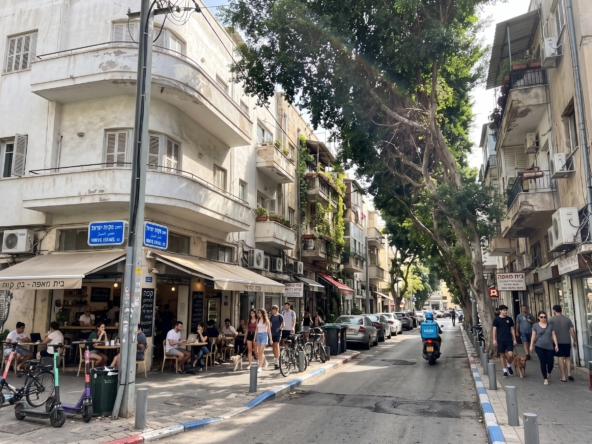
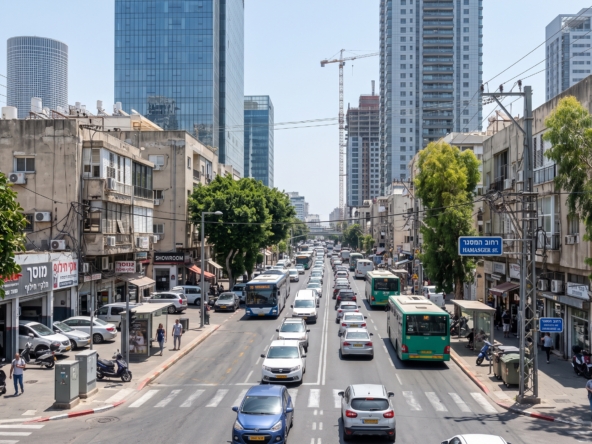
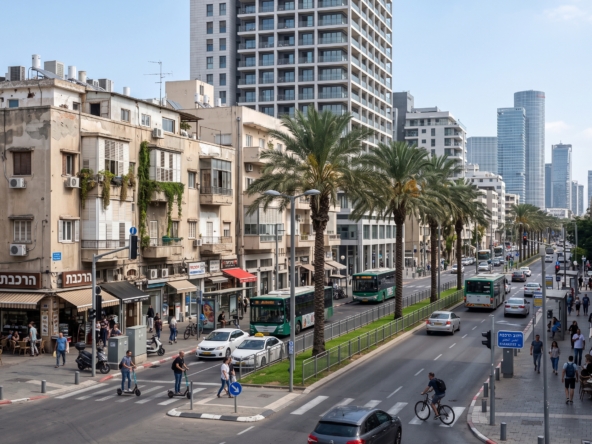
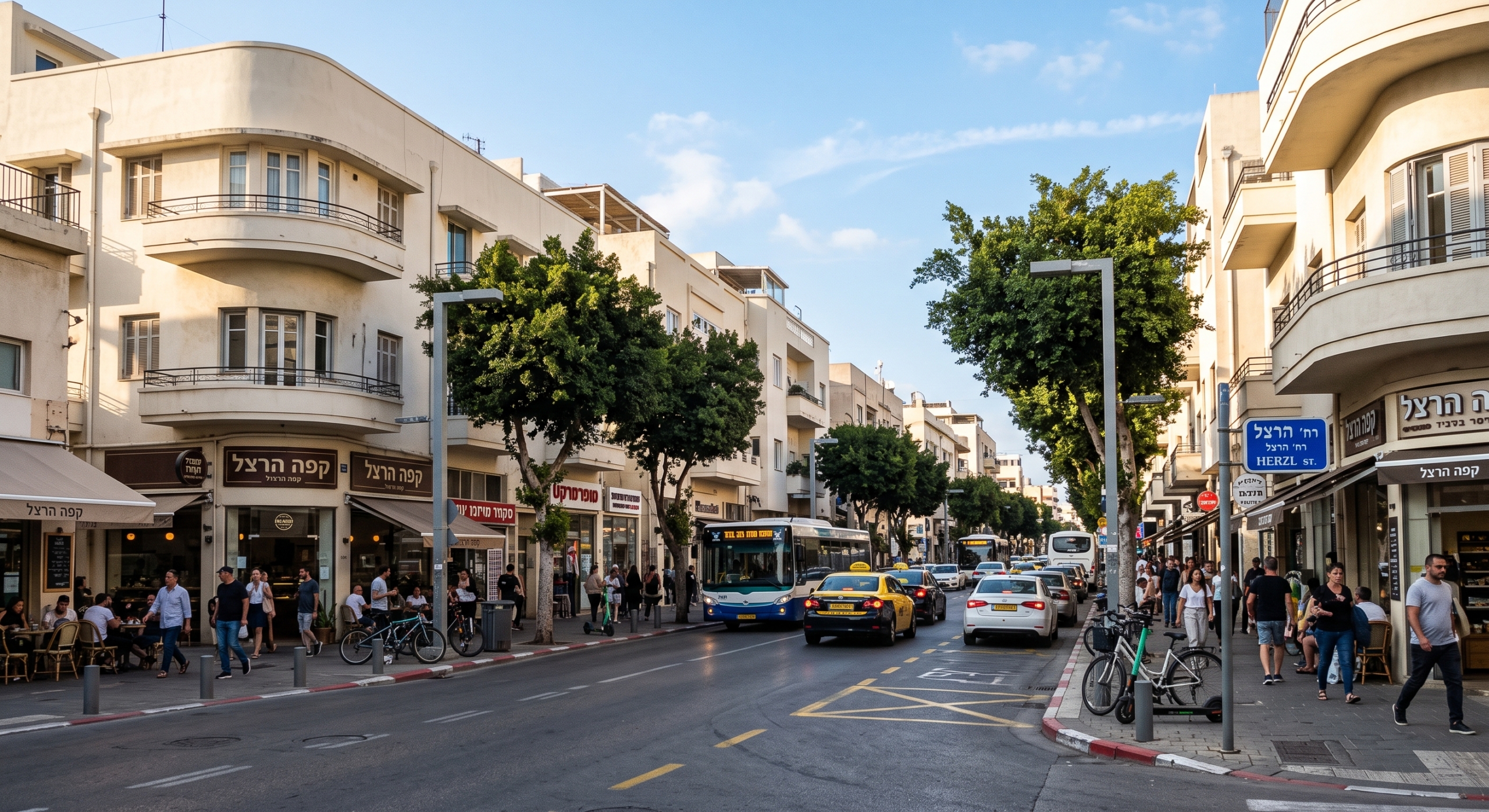
Herzl Street, the very first street established in the historic Ahuzat Bayit neighborhood, has undergone a phenomenal architectural and real estate transformation over the past decade. Evolving from a traditional commercial hub, this historic axis is now recognized as one of the most prestigious and highly sought-after corridors for luxury real estate investors and affluent homebuyers. The rare combination of rigorously preserved historic buildings alongside state-of-the-art residential developments has created a unique micro-market that often operates independently of broader national trends. Working as a prominent real estate agent in Israel, it is evident that the demand for premium properties surrounding this thoroughfare is continually expanding.
Urban Integration and Strategic Points of Interest
The fundamental real estate value of Herzl Street is anchored by its strategic geographic positioning, seamlessly bridging Tel Aviv’s financial district with the southern cultural neighborhoods and the coastline. This location offers unprecedented walkability and access to the city’s premier landmarks:
Rothschild Boulevard: The epicenter of Tel Aviv’s culinary and corporate world is a mere 3-minute walk (approximately 300 meters) from central Herzl Street. This proximity allows residents to enjoy the tranquility of their exclusive buildings while retaining immediate access to the city’s vibrant core.
Park HaMesila and Neve Tzedek: Located just a 5-minute walk (about 400 meters) to the south, the recently inaugurated Park HaMesila has completely revitalized the surrounding urban fabric. The direct pedestrian connection to the picturesque Neve Tzedek neighborhood significantly elevates property valuations on the southern end of the street.
Elifelet Light Rail Station: Situated roughly 600 meters away (a comfortable 7-minute walk), this station on the Red Line provides residents with an exceptionally efficient transit solution to major employment hubs outside the city center, mitigating the reliance on private vehicles.
Architecture and Premium Market Dynamics
The real estate landscape on Herzl Street is characterized by a blend of early 20th-century eclectic architecture and high-end modern construction. Numerous developments involve the meticulous restoration of historic facades, while the interiors are entirely reconstructed to meet world-class luxury standards. The most desirable premium assets include single-level penthouses with expansive terraces overlooking the Mediterranean and the Tel Aviv skyline, as well as distinct garden apartments that offer absolute privacy within the urban core.
The highly restricted supply of historic buildings available for preservation, compounded by notoriously lengthy planning and permitting processes, establishes a formidable barrier to entry that safeguards property values. Any top real estate agencies in Israel focusing on luxury properties will confirm that architecturally significant apartments in this specific area are frequently transacted “off-market” due to inelastic demand from high-net-worth buyers.
The Demographic Profile of Buyers
The repositioning of Herzl Street as a premium residential destination has attracted a highly distinct demographic profile:
Tech Executives and Entrepreneurs: Established professionals and young families from the technology sector seeking an uncompromising urban lifestyle directly adjacent to corporate headquarters on Rothschild Boulevard.
Wealthy Downsizers: Mature couples relocating from sprawling suburban villas to single-level luxury apartments in the city center, prioritizing walkability, high-end dining, and cultural venues.
Foreign Investors and Expats: Buyers originating primarily from the United States, France, and the United Kingdom, who view preserved historical properties as both a secure asset and a definitive status symbol.
The Impact of Future Infrastructure and Urban Renewal
The environmental and infrastructural evolution surrounding Herzl Street is ongoing, harboring substantial potential for future capital appreciation. Beyond the operational Red Line of the Light Rail, the neighborhood is experiencing the positive ripple effects of urban renewal projects on adjacent side streets such as Ahad Ha’am, Lilienblum, and Yehuda Halevi. These developments continually refine the public domain, attract upscale commercial tenants, and modernize municipal infrastructure. Crucially, stringent urban planning regulations mandate the preservation of the street’s historic commercial facades, actively preventing the construction of massive high-rise towers directly on Herzl Street and preserving its relatively intimate residential character.
Pros vs. Cons: An Objective Analysis
As with any major investment decision, acquiring property on Herzl Street presents distinct advantages alongside specific challenges that demand careful consideration:
Key Advantages:
A prestigious living environment that masterfully balances historical heritage with modern luxury.
Exceptional walkability to Tel Aviv’s premier cultural, entertainment, and culinary destinations.
Inelastic demand from high-quality corporate and international tenants, ensuring stable rental yields and strong potential for capital appreciation.
Challenges to Consider:
Significant traffic congestion and severe parking shortages in the commercial sectors of the street (making the acquisition of a property with deeded subterranean parking strictly essential).
Elevated ambient noise levels resulting from ongoing municipal infrastructure upgrades, adjacent construction projects, and robust daytime commercial activity.
Exceptionally high maintenance costs associated with preserved historical buildings, which require specialized periodic care and rigorous management.
Professional Methodology: Leveraging the Global Market
When dealing with luxury real estate in such an exclusive enclave, a profound understanding of the global buyer pool is critical. An experienced real estate agent in Tel Aviv understands that a significant portion of premium transactions are executed with buyers who are not physically present in the country when the property is initially listed.
Expert Tip by Concord Real Estate: International exposure to non-residents: proactive marketing overseas. We advertise our properties on leading international portals to directly reach an audience of investors, Diaspora Jews, and immigrants from the US, France, and the UK, thereby dramatically increasing competition for the apartment. This clientele is particularly important because they are generally more affluent individuals who, especially given the current global situation, are interested in coming to Israel to have a sort of “safety cushion.” This is a highly qualitative client base that the average person in Israel would have a certain difficulty reaching on their own. Implementing this strategy ensures that the asset’s value is maximized at the point of sale. Partnering with a dedicated realtor in Israel to manage this complex process is an investment that consistently justifies itself.
Frequently Asked Questions from Investors
Is buying property on Herzl Street a secure investment long-term? Absolutely. The rigorous municipal planning and construction restrictions applied to historical preservation buildings, combined with the total absence of vacant land in the city’s historic core, create an exceptionally limited supply. Historical market data demonstrates that these specific asset classes consistently retain their value and appreciate steadily, even during periods of broader economic stagnation.
What types of properties are in highest demand among foreign buyers in this area? The primary demand from international buyers focuses heavily on ultra-luxury, single-level penthouses equipped with private parking and state-of-the-art smart home technologies. Additionally, there is intense competition for three- to four-room apartments situated within meticulously restored Bauhaus or eclectic-style buildings that feature modern elevators and sun terraces.
How does the new Light Rail impact the day-to-day living experience on the street? The operational Red Line has significantly diminished the necessity of owning a private vehicle for daily commuting to employment centers in Ramat Gan, Bnei Brak, and Jaffa. The nearby stations facilitate seamless urban mobility and elevate the overall quality of life, though prospective buyers should factor in increased pedestrian foot traffic near the transit corridors during peak hours.
To schedule a consultation, property valuation, or a property tour with Concord Real Estate, led by CEO Guy Gidon (Frishman 21, Tel Aviv), contact us at: +972 50-999-0402.