Ben Yehuda Street, Tel Aviv: Comprehensive Real Estate Analysis, Market Trends & Investment Potential
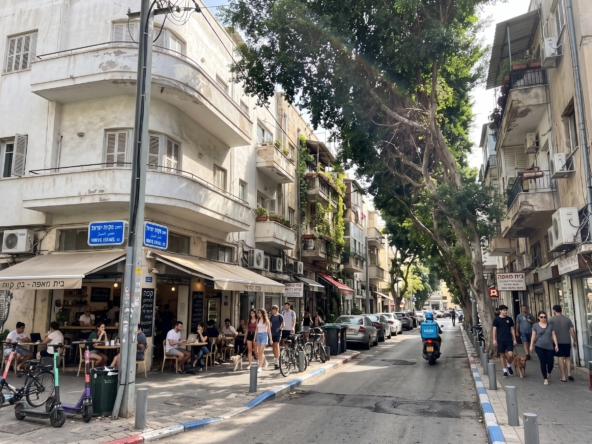
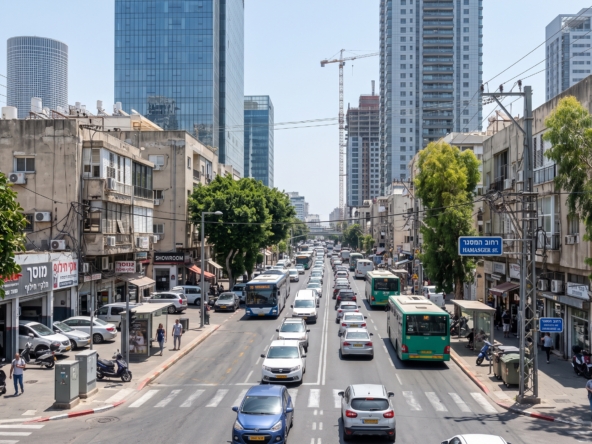
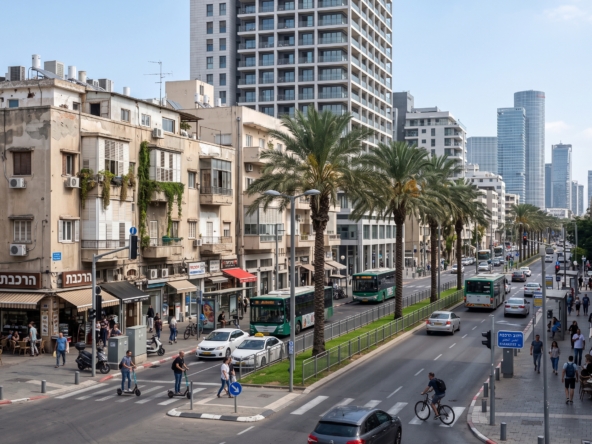
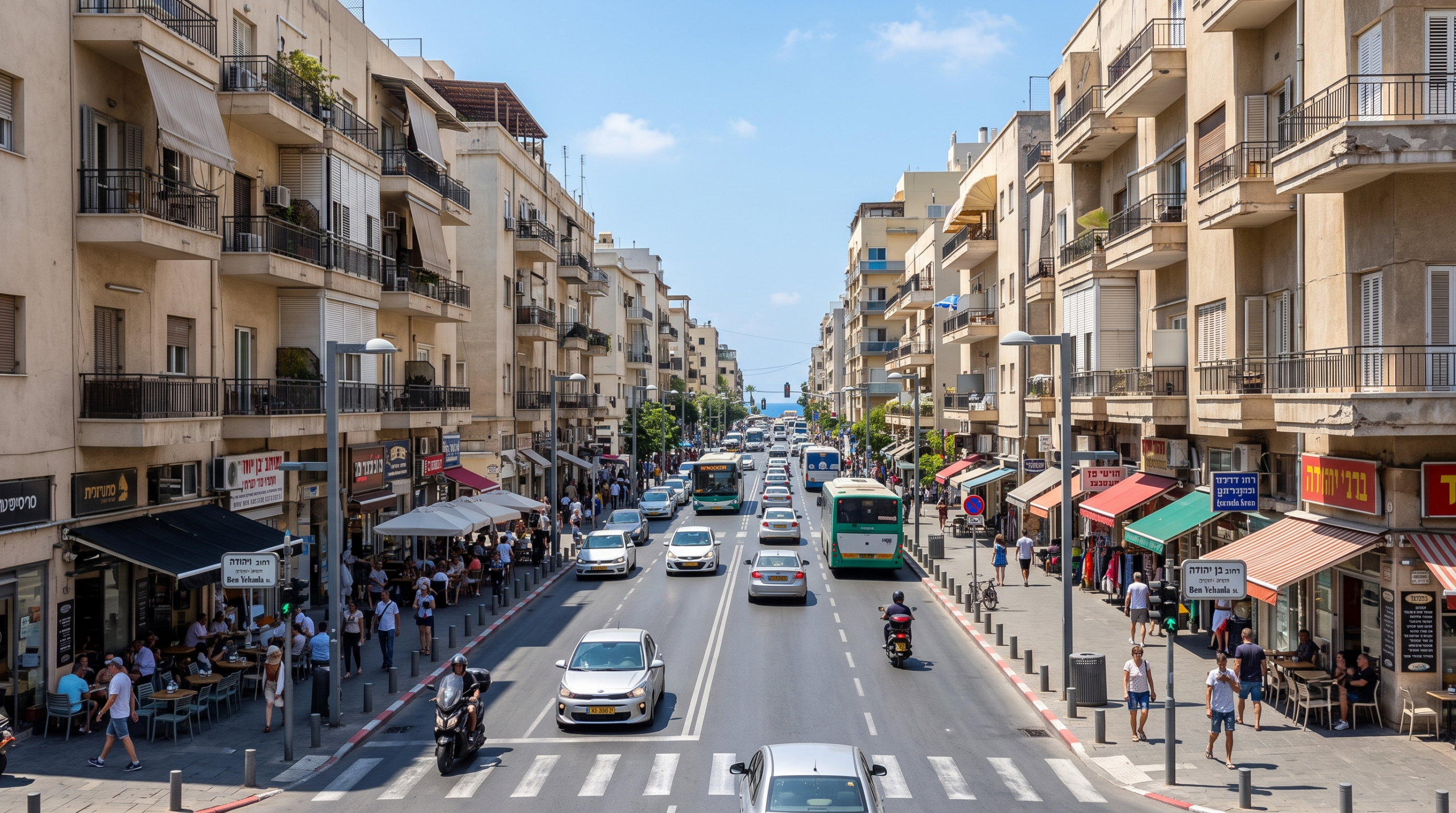
Ben Yehuda Street serves as one of Tel Aviv’s primary commercial and transport arteries, but in recent years, it has undergone a profound real estate transformation. Transitioning from a purely bustling commercial avenue to a highly sought-after residential corridor, Ben Yehuda now offers a unique blend of massive urban renewal and unparalleled access to the city’s major points of interest. This objective review breaks down the physical, demographic, and economic characteristics defining the local property market on this specific street and its immediate surroundings.
Geographic Location and Urban Anchors
The real estate valuation of properties along Ben Yehuda Street is predominantly dictated by their strategic geographic positioning and proximity to urban anchors. Unlike parallel streets, it offers a precise balance between intensive urban life and immediate coastal access.
Gordon and Frishman Beaches: Properties situated in the central segment of Ben Yehuda enjoy optimal beach access. A standard walk from the center of the street to Gordon Beach takes approximately 6 minutes (a distance of roughly 450 meters). This pedestrian accessibility to the shoreline is a critical factor in maintaining rigid demand levels from foreign investors.
Independence Park (Park HaAtzmaut): In the northern section of the street (the Old North), residents benefit from close proximity to Independence Park—a brief 3-minute walk (about 250 meters). This green lung significantly boosts the appeal of properties for established families seeking a slightly quieter, refined environment.
Mass Transit and the Light Rail (Green Line): The future Green Line station at Rabin Square is located roughly 800 meters (a 10-minute walk) from the street’s central segments. This upcoming infrastructure, coupled with the new dedicated bicycle lanes along Ben Yehuda itself, reduces dependence on private vehicles and enhances metropolitan connectivity.
Demographic Profile and Demand Shifts
The target demographic currently attracted to Ben Yehuda Street is diverse yet characterized by a high socio-economic standing. Prospective buyers include foreign investors searching for vacation homes or yielding assets near the sea, tech executives wanting to reside in the city’s pulsing core, and veteran locals upgrading to new apartments in demolition-and-construction projects. The positive migration of these groups is actively altering the commercial mix along the street—shifting from standard convenience stores to high-end delicatessens, premium cafes, and shared workspaces, thereby elevating the overall residential experience.
Any top real estate agent in Israel analyzing the current market data will note that the most robust demand focuses on premium apartments in brand-new buildings. Buyers specifically target properties offering underground parking and sun balconies that face away from the main street noise.
Future Infrastructure and Urban Renewal
Ben Yehuda is currently experiencing a wave of urban renewal, driven primarily by TAMA 38 (demolition and reconstruction) initiatives. Historic Bauhaus buildings are being meticulously preserved and renovated, while older, dilapidated housing blocks are making way for modern boutique residential buildings. Recent infrastructure works, which included widening sidewalks, paving segregated bicycle lanes, and upgrading the streetscape, are expected to yield substantial medium- and long-term dividends by creating a highly walkable and inviting environment. A proficient real estate agent in Tel Aviv understands that public domain upgrades consistently precede real estate appreciation.
The Concord Approach: Maximizing Property Valuation
When approaching the sale or purchase of an asset in such a highly demanded area, a technical understanding of the data is imperative. This is where professional methodology steps in to prevent critical pricing errors:
Accurate Measurement (Gross/Pladelet vs. Net/Tabu): It is crucial to emphasize that the real estate market in Israel is priced and operates according to the gross area (known as “Pladelet area”—the net apartment area plus walls, excluding shared spaces like stairwells). Most sellers make a terrible mistake and advertise the property based on the Tabu (Land Registry) or Arnona (Municipal Tax) records, which present an area significantly smaller than the actual size of the apartment! At Concord, we physically measure every property in advance to present the true, full size (Gross). By doing this, we maximize the asset’s value for the seller and prevent missing out on buyers who might have filtered out the apartment on property boards, mistakenly thinking it was too “small.”
Working with a knowledgeable realtor in Israel means leveraging these exact operational details—the ability to present accurate asset data while fiercely protecting the client’s financial interests. This level of meticulous care is what defines the top real estate agencies in Israel.
Living and Investing on Ben Yehuda: Pros vs. Cons
Pros:
High Liquidity: Properties in central, sea-adjacent locations in Tel Aviv enjoy high marketability. During market peaks or downturns, these assets sell faster relative to peripheral areas.
Maximum Accessibility: Pedestrian proximity to cultural hubs, leisure spots, culinary centers, and the beach negates the absolute need for a private vehicle.
Appreciation Potential: The continuous influx of new development projects upgrades the street’s facade and generates inherent value appreciation for the immediate vicinity.
Cons:
Traffic and Noise: As a primary traffic artery, the street experiences congestion and occasional noise pollution, especially in front-facing apartments within older buildings lacking acoustic windows.
Parking Scarcity: For second-hand properties without registered Tabu parking, relying on public lots or street parking can pose a daily logistical challenge.
Construction Disruptions: The high volume of urban renewal projects creates localized noise and dust, typical of zones undergoing rapid development.
Frequently Asked Questions (FAQ)
Is buying property on Ben Yehuda Street a secure investment long-term? Historically and factually, real estate located on Tel Aviv’s main arteries and in close proximity to the sea has demonstrated high resilience to macroeconomic fluctuations. While current rental yields may be modest (as is standard in premium zones), the long-term capital gain potential, supported by rigid demand, makes the investment relatively solid and secure in real estate terms.
How do ongoing infrastructure projects impact the street’s immediate appeal? In the short term, infrastructure works (such as new bike lanes and sidewalk expansions) cause temporary inconveniences. However, in the long term, they transform the street’s character from a vehicle-centric artery to a modern, walkable boulevard. This structural shift is projected to upgrade local commerce, reduce noise disturbances, and consequently, increase the attractiveness of residential properties.
What property types yield the highest demand in this specific corridor? Maximum demand from investors and luxury buyers centers on 3-4 room apartments within buildings that have completed or are undergoing urban renewal (TAMA 38/2). Quiet, rear-facing properties featuring a sun balcony, a spacious elevator, and registered parking command a significant premium and transact much faster than front-facing assets lacking parking solutions.
To schedule a consultation, property valuation, or a property tour with Concord Real Estate, led by CEO Guy Gidon (Frishman 21, Tel Aviv), contact us at: +972 50-999-0402.