Basel Street: The Anatomy of a Fluctuation-Proof Real Estate Market in Tel Aviv’s Old North
Introduction: Far Beyond a Geographical Location
Located in the very heart of the Old North, Basel Street has served as one of the most intriguing, stable, and prestigious real estate hubs in Israel for over two decades. Stretching from the center of Dizengoff Street in the west to Ibn Gabirol in the east, this avenue is much more than a classic urban thoroughfare. It is a distinct real estate brand defined by an exceptionally high quality of life, an urban-community blend, and a rigid, insatiable demand. This professional analysis objectively examines the forces driving the real estate market surrounding the highly sought-after Basel complex. We will review architectural trends, the impact of future transit infrastructure, and the underlying potential this specific area holds for investors, buyers, and sellers alike.
History as the Foundation of Prestige: From Functional to Premium
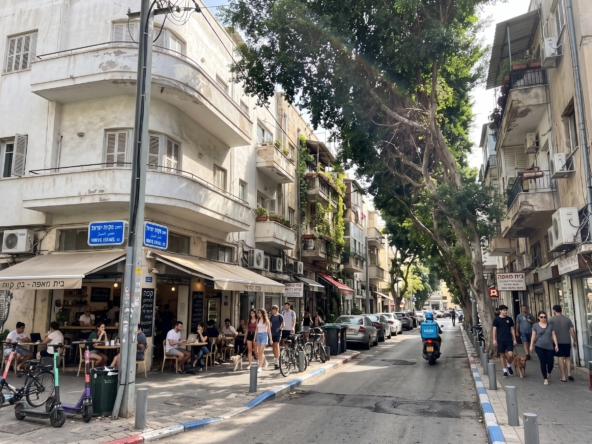
The evolution of Basel Street provides a fascinating glimpse into how real estate appreciates over the decades. Originally built during the city’s northern expansion in the 1940s and 1950s, the street was designed to house the middle and working classes in functional, modest buildings. However, the original urban planning—which incorporated relatively wide tree-lined boulevards, proper spacing between structures, and commercial facades on the ground floors in selected segments—created the perfect infrastructure for a bustling urban complex. That very historical foundation is what grants the street its current prestige. A well-planned mixed-use environment is a rare commodity that is notoriously difficult to replicate in modern suburban neighborhoods, making Basel a magnet for an affluent demographic seeking authentic urban living combined with modern amenities.
The Economic and Real Estate DNA of the Basel Complex
From an appraisal and economic standpoint, Basel is characterized by a unique micro-economy that does not necessarily mirror the broader metropolitan area. While other districts may experience high volatility based on shifting interest rates or temporary economic downturns, this specific enclave maintains remarkable long-term stability. The primary reason for this lies in the strict scarcity of land. The Old North is fully built, meaning any new development relies entirely on complex urban renewal initiatives. This combination of near-zero land supply and constant demand from highly solvent buyers creates a natural safety net for property owners. Even during market slowdowns, intrinsic property values remain stable because local owners are rarely pressured into distress sales.
Architecture and Urban Renewal: The Shift to Boutique Living
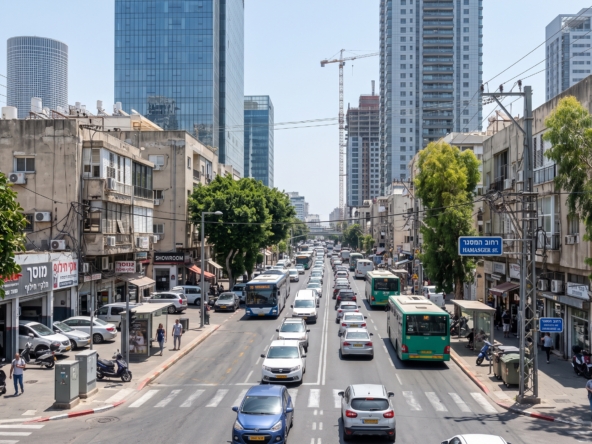
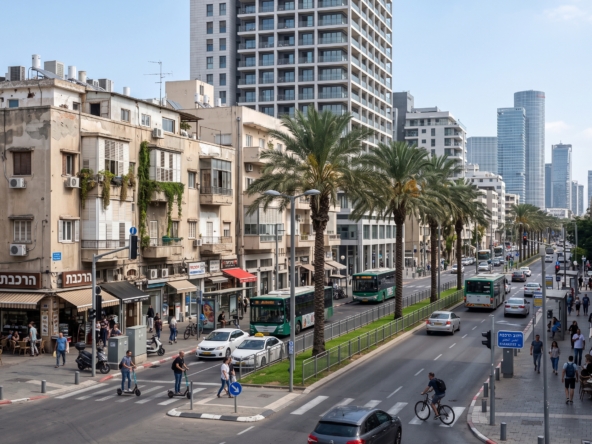
The architectural fabric of Basel Street and its branching arteries—such as Ashtori HaFarhi, HaShla, Yehoshua Bin Nun, Sokolov, and Alkalay—is currently undergoing a massive transformation. The aging block-style buildings of three to four floors with peeling plaster are gradually making way for luxurious “Pinui Binui” demolition and reconstruction projects. These new developments feature low-rise, contextual construction (typically 7-8 floors) that preserves the neighborhood’s skyline while dramatically upgrading the standard of living. The transition from cramped, functional apartments to boutique residential complexes featuring robotic underground parking and integrated smart home systems is changing the property mix and elevating the baseline standard of the entire district.
The Significance of Floors and Orientations
In the Basel market, a first-floor apartment above commercial space is valued vastly differently from a rear-facing penthouse. The garden apartments and penthouses in these new boutique buildings are considered end-user premium products that command unprecedented demand. Simultaneously, standard apartments on the second and third floors facing the street are highly prized for their direct visual access to the mature trees outside, which provide a natural, insulating green screen.
Demographic Profile: Who is Truly Buying in Basel?
An in-depth analysis of recent transactions reveals that the buyer pool is composed of three distinct segments. The first includes established local families seeking top-tier educational districts alongside an active community life. The second segment consists of empty nesters. These are typically couples in their 60s whose children have moved out, prompting them to sell large villas in the quiet suburbs for an accessible, vibrant urban lifestyle where cafes and culture are just an elevator ride away. The third segment comprises affluent foreign residents who view the area as a safe haven for capital preservation. Working with an experienced real estate agent in Israel is essential for buyers in these segments to navigate the highly competitive off-market inventory.
The Impact of Future Infrastructure: The Green Line Effect
One of the most potent economic drivers expected to influence property values on Basel Street through the end of the decade is the development of mass transit infrastructure. The Light Rail’s Green Line, running along Ibn Gabirol Street on the neighborhood’s eastern border, is in advanced stages of execution. Upon completion, residents will enjoy direct, rapid, and traffic-free access to major employment hubs in northern Tel Aviv and Herzliya Pituach, as well as southward to the primary business districts. Urban studies from major global cities consistently show that properties located within a short walking radius of light rail stations experience significant value appreciation once the lines become operational. Basel sits at this precise optimal distance.
Analyzing the Pros and Cons of the Basel Neighborhood
Objective investing requires a cold, hard look at the data. Below is a breakdown of the specific advantages and disadvantages of this area:
The Advantages
-
Maximum Walkability: Immediate proximity to Yarkon Park to the north, Metzitzim Beach to the west, and the shopping districts of Dizengoff. Everything happens on foot.
-
Value Stability: Proven resilience against macroeconomic crises due to inherently limited supply.
-
Community Quality: A high-quality human fabric, relative quiet within a beating city heart, and meticulously curated culinary offerings centered around Basel Square.
The Disadvantages
-
The Parking Crisis: For older buildings that have not undergone urban renewal, the lack of registered, deeded parking is a severe, daily logistical hurdle.
-
Construction Nuisances: The current boom in urban renewal comes at the cost of noise, temporary road closures, and dust during the day. This is undeniably the price of progress.
-
High Financial Barrier: The transaction and taxation costs place this area far beyond the reach of the average investor, naturally narrowing the pool of potential buyers.
Unlocking Hidden Potential: How We Bridge the Gap
Often, when clients tour properties in Basel, they encounter one of two extremes: severely outdated apartments requiring total gut renovations, or brand-new contractor apartments that feel completely empty and cold. In both scenarios, many buyers struggle to visualize the final outcome. This is where our specialized methodology comes into play. 3D renderings for the property’s potential: this is a critical working tool of ours, especially for old apartments in Northern Tel Aviv. We produce photo-realistic renderings that show the buyer exactly how the apartment will look after a full renovation, completely removing their imagination barrier, and thereby maximizing the property’s value for the seller. Renderings are a critical matter for quite a few apartments which are in bad condition and in need of a facelift, as well as for new apartments from a contractor. When the house is empty without furniture, it is very difficult to see the potential of the property with the appropriate furniture. This is a very simple solution to a very big problem. This tool translates a tired asset into a clear visual vision, facilitating rapid decision-making in the field.
The Urban Context: The “Open Bubble” of the Old North
What truly distinguishes Basel Street and its immediate surroundings is its function as an “open bubble.” Basel Square and its commercial passages create an independent ecosystem. Neighbors know each other, cafe owners recognize their regulars, and there is an intimate sense of community. Yet, unlike gated suburban neighborhoods, this bubble is entirely open. A short walk west drops you into the famous bustle of Dizengoff, while a quick walk east puts you on the commercial spine of Ibn Gabirol. The ability to choose when to enjoy quiet intimacy and when to dive into the rhythm of a non-stop city is exactly the competitive advantage this area holds.
Conclusion
Basel Street is far more than just another prestigious address. It is an asset with solid economic and urban foundations, offering a rare combination of community, boutique architecture, and evolving strategic infrastructure. While the barrier to entry requires significant capital, for those seeking security alongside unparalleled quality of life, this district will continue to dominate the top tiers of demand.
When dealing with transactions of this magnitude, there is no substitute for localized, highly focused advice from one of the top real estate agencies in Israel. The Concord team, operating with professionalism and dedication for over a decade in the Old North, New North, and the Heart of the City, possesses an intimate knowledge of every project, building, and comparable sale in the Basel area. Whether you require a professional valuation for an existing asset, or you are looking for an expert real estate agent in Tel Aviv to guide your next purchase, we invite you to contact us today. Let us schedule an introductory meeting with a dedicated realtor in Israel from our team to help you make a smart, precise, and data-driven property decision.