Mapu Street, Tel Aviv: Coastal Proximity Meets Quiet Residential Luxury
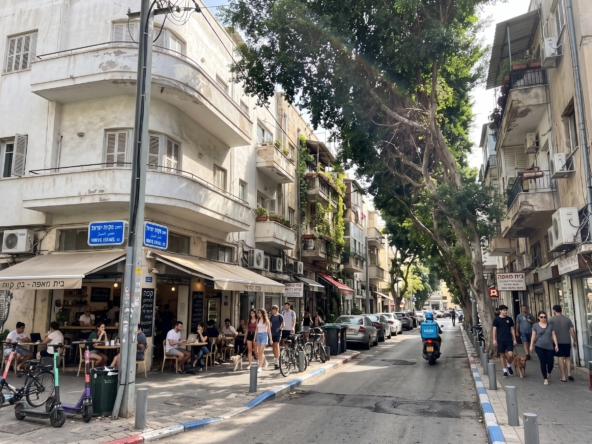
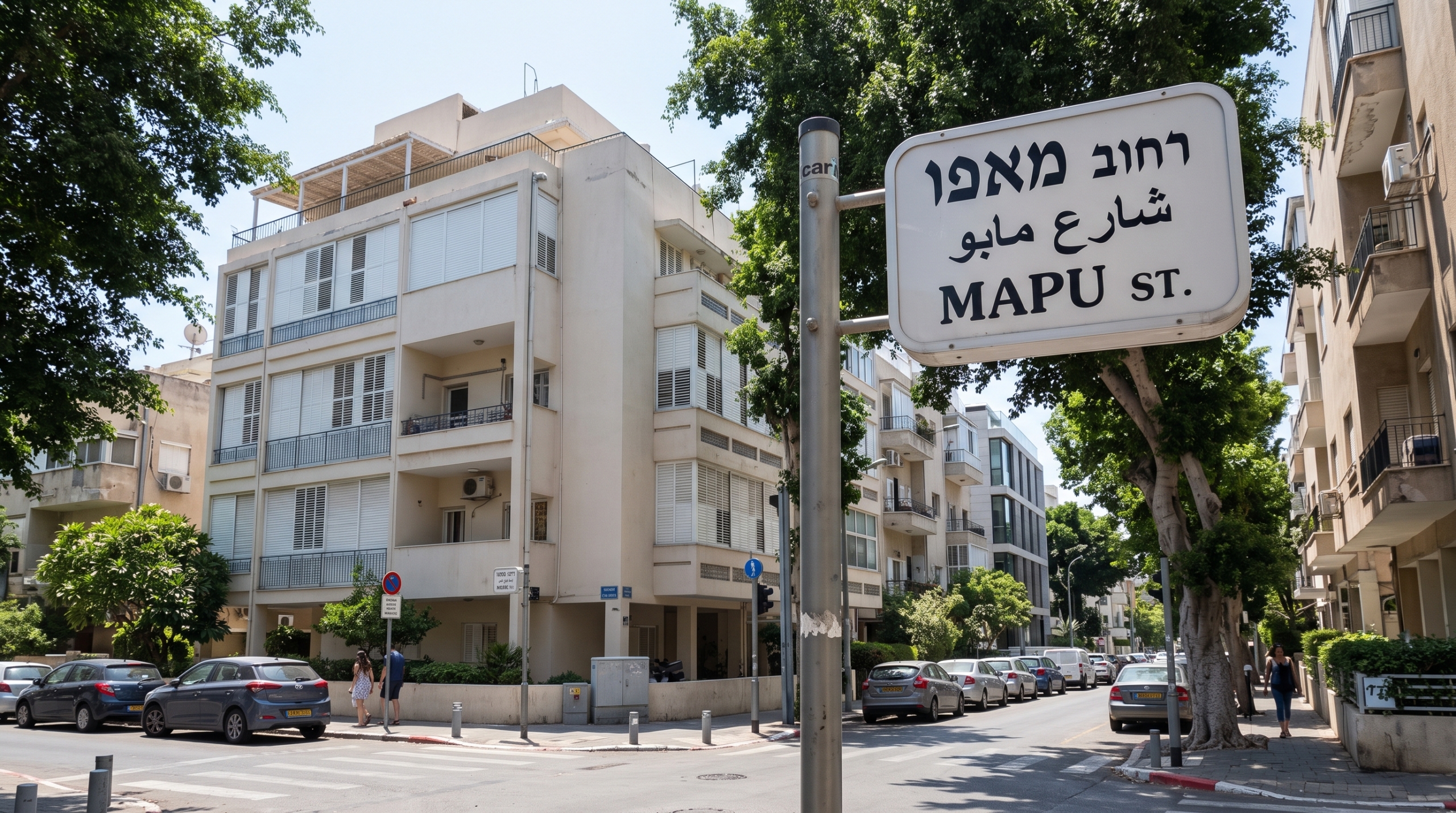
Mapu Street represents a distinct micro-market within Tel Aviv’s Old North and central coastal strip. Stretching as a calm, tree-lined corridor between Hayarkon Street to the west and Ben Yehuda Street to the east, it offers a rare combination in urban real estate: immediate proximity to the Mediterranean beachfront alongside genuine residential tranquility. While parallel arteries like Bugrashov and Frishman channel heavy pedestrian and commercial traffic toward the sea, Mapu Street remains predominantly residential, insulated from nightlife noise and commercial congestion.
From a spatial perspective, the street’s geographical positioning provides exceptional walkability to Tel Aviv’s premier landmarks. The western edge of Mapu Street lies just 150 meters—an easy 2-minute walk—from the Lahat Promenade and the sands of Gordon and Frishman beaches. Moving eastward, residents are approximately 400 meters, or a 5-minute walk, from the iconic Dizengoff Square, which serves as the cultural and culinary anchor of the neighborhood. Additionally, the terraced greenery of London Garden is located 300 meters to the south (a 4-minute walk), offering open sea views and green space right down the block.
Architectural Heritage and Residential Inventory
Named after the influential nineteenth-century Hebrew novelist Abraham Mapu, the street carries a long-standing reputation for cultural prestige. Historically home to intellectuals, artists, and diplomatic figures, this heritage translates today into a well-maintained, high-demand residential environment. The architectural landscape on Mapu Street and its immediate perpendicular neighbors, such as Dov Hoz and Shalom Aleichem streets, consists of three primary property categories:
Preserved Bauhaus and Eclectic Structures: Original 1930s and 1940s buildings featuring classic White City proportions, high ceilings, and wrap-around balconies designed to capture the western sea breeze. Several of these buildings have undergone meticulous exterior and interior restoration.
Urban Renewal and Tama 38 Additions: A significant portion of the street’s inventory has been upgraded through structural reinforcement and redevelopment projects. These modernized buildings integrate contemporary essentials—such as elevators, reinforced security rooms (Mamad), expansive sun terraces, and automated underground parking—into the existing urban fabric.
Boutique New Developments: Select plots along the street have been completely rebuilt as luxury boutique residences, offering high-end technical specifications, smart-home systems, and upper-floor penthouses with unobstructed views toward the Mediterranean Sea or the Tel Aviv skyline.
Infrastructure Impact: The Light Rail and Urban Mobility
Long-term capital appreciation in central Tel Aviv is increasingly tied to transit-oriented development. Mapu Street is ideally positioned to benefit from the Tel Aviv Light Rail’s Purple Line, currently under construction along the adjacent Ben Yehuda Street corridor. The planned Ben Yehuda transit station is located less than 100 meters from the eastern entrance of Mapu Street, translating to a 1-minute walk from most buildings on the block.
For property owners and investors, this spatial arrangement is optimal. Because Mapu is a quiet, one-way perpendicular street, residents are largely shielded from the direct acoustic and visual disruption of the main transit artery. Once the Purple Line becomes operational, properties on Mapu Street will enjoy direct, rapid transit links to the city’s major commercial hubs, Tel Aviv University connections, and the broader metropolitan rail network. Historically, residential streets located within a 100-to-300-meter radius of major transit hubs experience sustained upward pressure on both rental yields and resale values once infrastructure works transition from construction to operation.
Demographic Profile of Buyers and Residents
The buyer pool on Mapu Street is characterized by high liquidity and a focus on long-term lifestyle value rather than short-term speculation. Working with a seasoned real estate agent in Tel Aviv reveals three dominant demographic segments actively targeting this specific street:
International Buyers and Diaspora Investors: Buyers from the United States, France, the United Kingdom, and Western Europe consistently rank the streets between Hayarkon and Ben Yehuda at the top of their acquisition lists. The ability to walk to the beach in two minutes, combined with proximity to local synagogues, international hotels, and fine dining, makes Mapu Street a premier location for a secondary residence or a permanent relocation home.
Affluent Local Down-Sizers: Established Israeli couples transitioning from large single-family homes in suburban areas (such as Herzliya Pituach, Ramat Hasharon, or North Tel Aviv) who want a lock-and-leave luxury apartment with elevator access, parking, and full walkability to cultural venues.
Blue-Chip Real Estate Investors: Sophisticated investors who treat prime coastal Tel Aviv real estate as a wealth-preservation asset. Properties on Mapu Street attract high-profile long-term tenants, including foreign embassy staff, tech executives, and expatriates who prioritize security, modern amenities, and proximity to the sea.
Strategic Property Marketing and Global Reach
Navigating high-value transactions in the coastal corridor requires more than simply listing a property on local boards. Whether buying or selling, partnering with an experienced real estate agent in Israel provides critical market intelligence regarding building rights, historical preservation constraints, and accurate valuation metrics. When sellers evaluate top real estate agencies in Israel, the primary differentiator in maximizing property value is the agency’s ability to generate cross-border competition.
This is where Concord Real Estate delivers a distinct structural advantage for property owners: International exposure to foreign residents: active overseas marketing. We advertise our properties on leading international portals to directly reach an audience of investors, Diaspora Jews, and immigrants from the US, France, and the UK, thereby dramatically increasing competition for the apartment. This clientele is particularly important because these are generally more affluent individuals who, especially given the current global situation, are interested in coming to Israel to have a kind of “safety net.” This is a very high-quality clientele that the average person in Israel would have some difficulty reaching.
By engaging a dedicated realtor in Israel who actively bridges the gap between local sellers and qualified international capital, property owners on Mapu Street can ensure their assets are positioned in front of the highest-bidding global demographic.
Objective Analysis: Pros and Cons of Mapu Street
Every real estate acquisition involves trade-offs. Evaluating Mapu Street requires looking at both its lifestyle advantages and its practical urban constraints.
Key Advantages:
Micro-Location Tranquility: A quiet, one-way residential street that avoids the noise of adjacent commercial and nightlife hubs.
Immediate Beach Access: Situated within 150 to 300 meters of Tel Aviv’s most popular and well-maintained beaches.
High Asset Liquidity: Coastal properties in the Old North maintain resilient demand across market cycles, serving as a strong hedge against inflation.
Proximity to Future Transit: Immediate walking access to the upcoming Purple Line Light Rail station on Ben Yehuda Street.
Considerations and Challenges:
Parking Scarcity in Older Buildings: Unless purchasing in a newer development or a completed Tama 38 building with dedicated parking solutions, street parking in the area is highly competitive.
Temporary Infrastructure Construction: Ongoing Light Rail works along Ben Yehuda Street create temporary traffic diversions and periodic congestion at the eastern end of the street.
Limited Inventory Turnover: Because Mapu is a relatively short street with high owner-occupancy and long-term holding patterns, prime apartments—especially those with sea views or large terraces—rarely hit the open market.
Frequently Asked Questions (FAQ) for Buyers and Investors
1. Should I prioritize an apartment in a restored Bauhaus building or a modern Tama 38 development on Mapu Street?
The optimal choice depends on your primary investment objective and lifestyle requirements. Modernized Tama 38 buildings and new boutique developments offer turnkey convenience—including elevators, reinforced safe rooms (Mamad), sun balconies, and often robotic or underground parking—making them ideal for international buyers and downsizers seeking low-maintenance living. Conversely, older Bauhaus buildings often feature superior interior proportions, higher ceilings, and lower monthly building maintenance fees, while holding substantial upside potential if the building has unutilized construction rights for future redevelopment.
2. How do the ongoing Light Rail construction works on Ben Yehuda Street affect property values and rental demand on Mapu Street today?
Because Mapu Street runs perpendicular to Ben Yehuda rather than directly along the construction route, the majority of buildings on the street remain buffered from direct construction noise. Current market activity indicates that sophisticated buyers are already pricing in the long-term connectivity benefits of the Purple Line. Rental demand from expatriates and local professionals remains robust, and properties acquired prior to the line’s completion are positioned to capture capital appreciation once the transit corridor is fully landscaped and operational.
3. What due diligence is most critical when purchasing a luxury property near the Tel Aviv coastline?
Coastal proximity introduces specific technical and legal considerations. First, buyers must verify the exact legal status of any parking spaces and storage units in the Land Registry (Tabu), as well as the building’s status regarding municipal preservation lists, which can dictate renovation flexibility. Second, from a physical standpoint, buildings within a few hundred meters of the sea require high-grade exterior finishes and aluminum window glazing to withstand coastal humidity and salt air. Conducting thorough legal, engineering, and market due diligence prior to signing is essential.
To schedule a consultation, property valuation, or a property tour with Concord Real Estate, led by CEO Guy Gidon (Frishman 21, Tel Aviv), contact us at: +972 50-999-0402.