Arlozorov, Tel Aviv: Transforming a Traffic Artery into Real Estate Gold
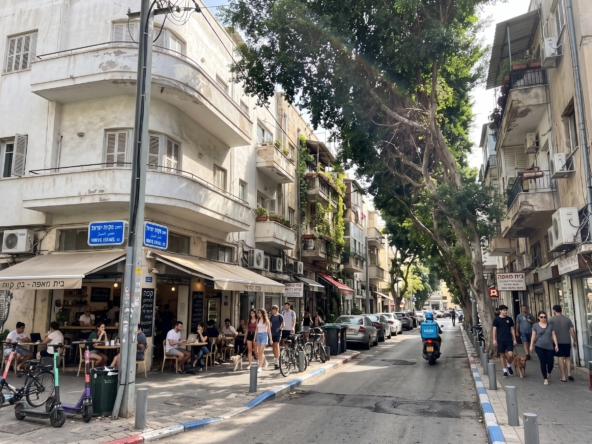
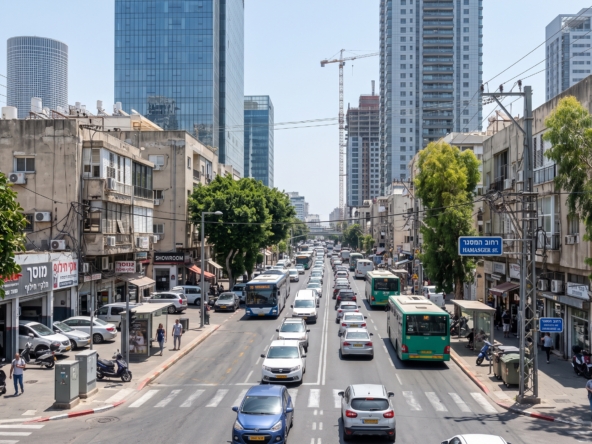
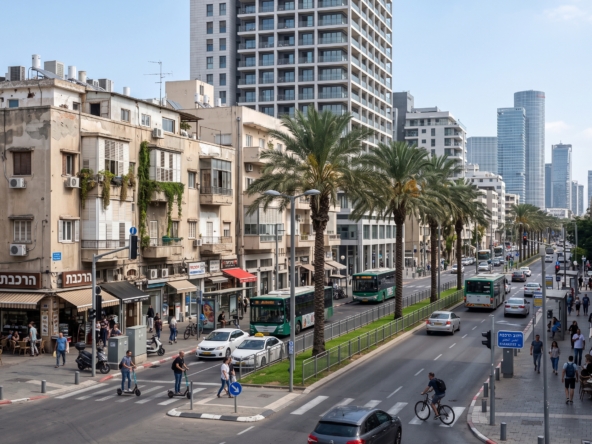
If you have had the distinct displeasure of driving down Arlozorov Street in Tel Aviv recently, you have likely lost a year of your life to gridlock, while your primary view consisted of construction fences, dust clouds, and deafening heavy machinery. The current reality of the street is anything but pastoral, and if you are looking for immediate peace and quiet, you are better off searching elsewhere. However, in the world of real estate, where there are jackhammers and chaos today, there is usually significant capital appreciation tomorrow—assuming, of course, we all live long enough to actually see the Light Rail become operational.
At Concord, a real estate agency with over a decade of specialized experience in the Old North, the New North, and the Heart of Tel Aviv, we do not analyze the market through rose-colored glasses. We rely on hard data, urban master plans, and macroeconomic trends. This article will dissect the real estate reality of Arlozorov Street, explaining why, despite the current apocalyptic construction phase, it remains one of the most strategic investment and residential corridors in Tel Aviv.
Master Plan TA/4474: Recalculating the Route
Any serious discussion about Arlozorov Street today must begin with Urban Renewal Plan TA/4474, officially approved by the District Planning and Building Commission. The ultimate goal of this plan is not merely to inject roughly 600 new housing units along the road, but to fundamentally alter the street’s DNA.
For decades, Arlozorov served primarily as a choked traffic artery designed to funnel cars in and out of the city. The new master plan seeks to literally push private vehicles to the curb. The street is slated to become a highly pedestrian-oriented urban space, featuring significantly wider sidewalks, dedicated bicycle lanes, and the highly anticipated Purple Line of the Light Rail running directly down its center. Furthermore, the ground floors of the new developments are mandated to feature active commercial facades, mirroring the lively atmosphere of Ibn Gabirol or Dizengoff streets. The end result will be a classic mixed-use environment: commerce on the ground, high-end residential above, and efficient public transit (eventually) right outside your door.
The Anatomy of the Street: Quarter 3 vs. Quarter 4
From a real estate and zoning perspective, Arlozorov is not a monolith. The street is intersected by Ibn Gabirol Street, which neatly divides it into two distinct planning zones with entirely different sets of rules:
-
The Western Segment (West of Ibn Gabirol – Quarter 3): This is the segment closest to the sea. Parts of its southern side fall within the UNESCO-declared “White City” zone, meaning preservation restrictions are significantly stricter. New construction here is heavily regulated, often capped at just 6 floors. This area attracts a demographic seeking specific luxury assets and immediate proximity to the beach and the vibrant lifestyle of adjacent streets like Ben Yehuda.
-
The Eastern Segment (East of Ibn Gabirol – Quarter 4): This zone enjoys much more generous building rights. The master plan permits construction of up to 8, and in some spots, 10 floors via “Demolish and Build” urban renewal tracks. Its proximity to Kikar HaMedina on one side and the Savidor Central Train Station on the other makes it incredibly attractive to investors and professionals demanding maximum connectivity. Monumental high-end projects, such as the luxurious 29-story Arlozorov 17 tower, already define the skyline and draw serious capital to this end of the street.
Who Actually Buys on a Construction Site?
Naturally, living on Arlozorov Street right now requires a strong stomach and premium earplugs. So, who is currently pouring capital into these properties? First and foremost, calculated, long-term investors. They understand that the moment the Purple Line runs and the sidewalks are paved, property values are projected to jump—a phenomenon witnessed in major cities globally following transit revolutions. Secondly, we see affluent empty-nesters and high-earning professionals purchasing assets now with a ten-year horizon, knowing they will secure uncompromising accessibility to the entire metropolitan area. Any seasoned real estate agent in Israel will strongly advise clients to separate the temporary discomfort of construction from the structural, long-term potential of the land.
Our Methodology: Order Within Bureaucratic Chaos
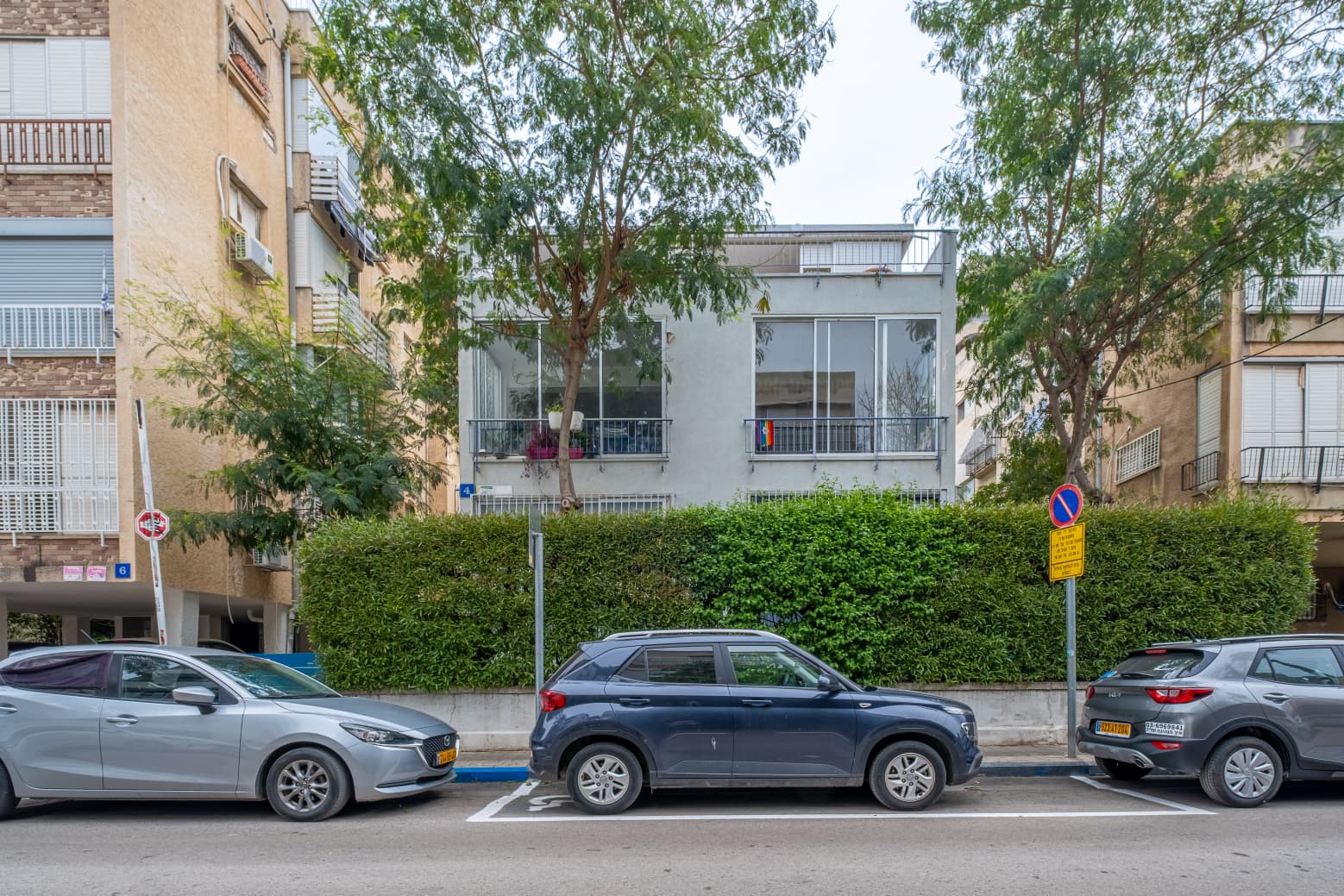
Buying or selling a property in Tel Aviv is never a simple transaction, particularly when dealing with older buildings that have endured decades of undocumented renovations, expansions, and historical “improvisations.” This is precisely where true professionalism separates a successful transaction from a legal catastrophe. As a leading firm, we frequently encounter sellers who are absolutely certain their property is legally flawless, only to discover a harsh reality right before signing.
Cold Analysis: Pros vs. Cons
To provide a purely objective overview, let us examine the viability of living or investing on Arlozorov Street through a strict pros and cons analysis:
Major Advantages (Pros)
-
Built-in Appreciation Potential: The transition from a gray residential street to a bustling, mixed-use commercial boulevard with a light rail is a distinct catalyst for capital appreciation.
-
Absolute Connectivity: Upon completion, Arlozorov will be one of the most highly connected corridors in Israel, linking the Light Rail, heavy rail (Savidor), extensive bike networks, and the Ayalon Highway.
-
Comprehensive Infrastructure Renewal: Demolition and construction projects are replacing the decaying plumbing, electrical grids, and foundations of the 1950s with modern, premium building standards.
Challenges and Drawbacks (Cons)
-
The Construction Apocalypse: There is no sugarcoating it—life on Arlozorov today involves severe noise pollution, dust, and constant traffic detours. It is not suitable for anyone sensitive to environmental disruptions in the short-to-medium term.
-
Severe Parking Constraints: The new urban design actively discriminates against private vehicles. Parking ratios in new projects are drastically reduced, forcing a reliance on public transit.
-
Pricing and Yield Realities: The current entry prices already price in a significant portion of the future potential, and ongoing rental yields remain traditionally low, meaning investors must rely almost entirely on future capital gains.
Conclusion
Arlozorov Street is not for the faint of heart, nor is it for those seeking quick, magical returns. It is a fascinating, complex investment arena that requires patience, a deep understanding of municipal zoning plans, and the cynical acceptance that the road to high-end urban convenience is currently paved with mud and jackhammers. As the master plans materialize, this corridor will undoubtedly solidify its status as one of the most vital avenues in the Dan Metropolitan area.
Considering your next real estate move? Do not navigate this market alone. Whether you own property on the street and are considering a sale, or you are an investor looking for a legitimate opportunity amidst the changing skyline, the expert team at Concord is here for you. Ranked among the top real estate agencies in Israel, we invite you to contact us for a concrete consultation, a data-driven property valuation, or a professional tour of relevant assets. With us, you get a realtor in Israel who delivers the reality exactly as it is—no filters, no empty promises, and zero legal surprises.