Yehuda Halevi Street: The Historic Artery Evolving Into a Luxury Hub
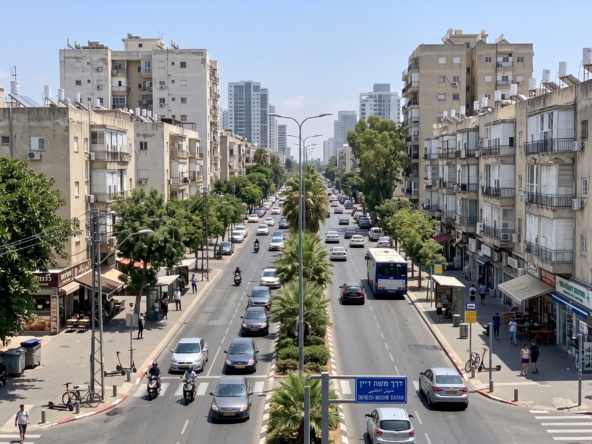
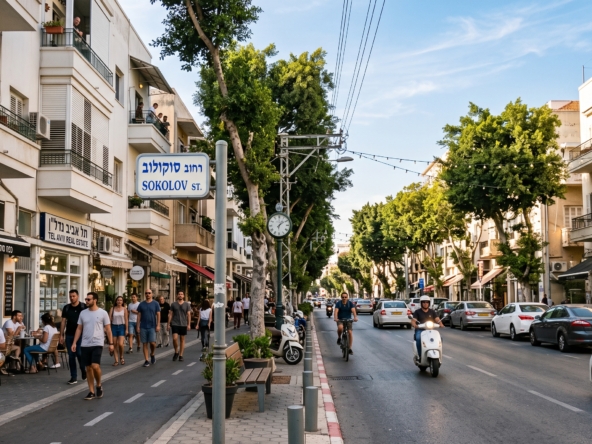
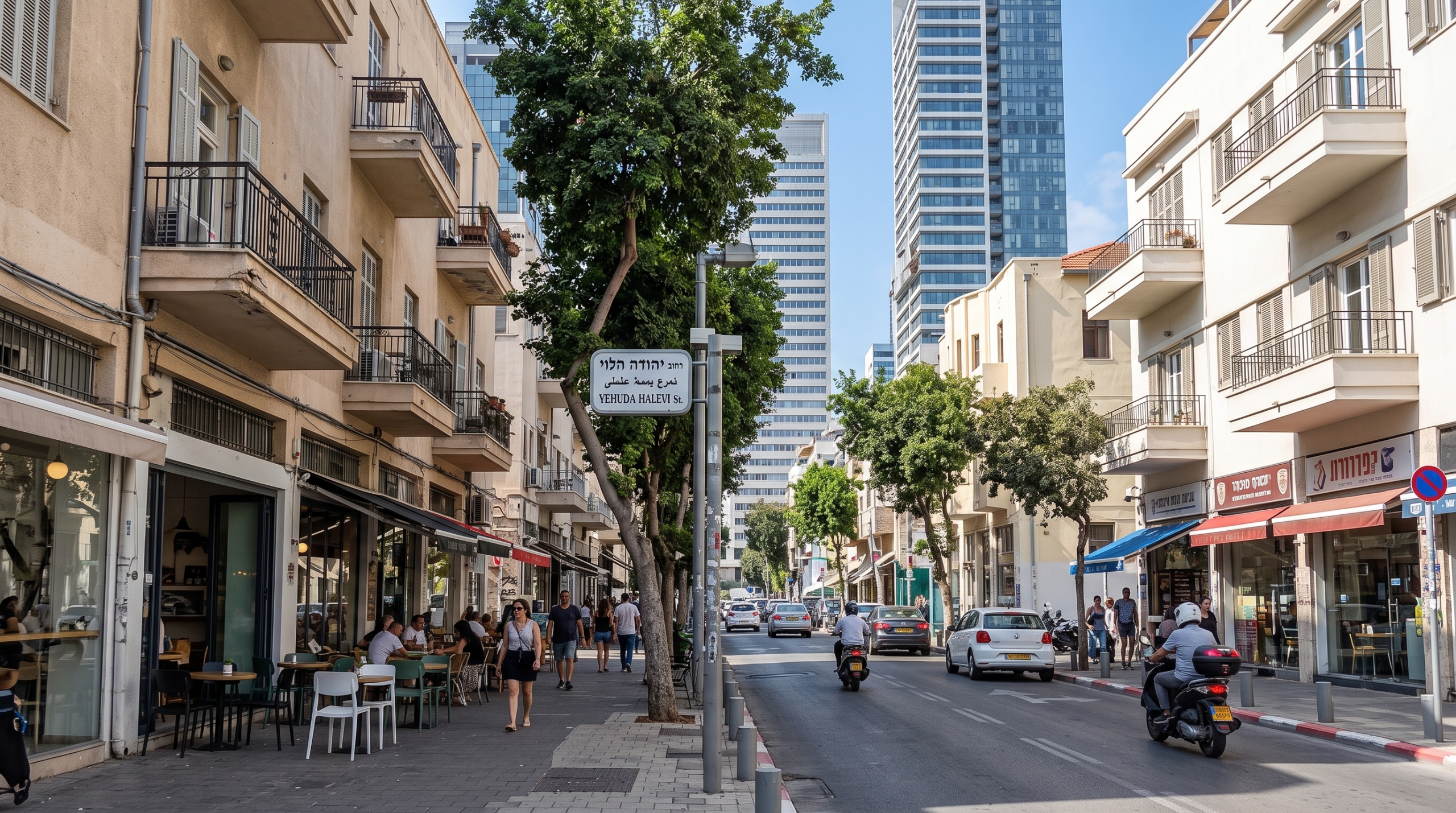
Central Tel Aviv has been undergoing rapid urban renewal, infrastructure development, and historical conservation efforts that are fundamentally shifting demand maps and the residential perspectives of foreign residents and local investors. Yehuda Halevi Street, one of the city’s oldest and most central arteries, is currently a focal point of real estate interest. This is largely due to its distinct transition from a traditional financial and business-oriented district into an avenue that seamlessly combines luxury living, boutique commercial spaces, and exceptional transit accessibility.
A professional analysis of this area requires an objective look at the changes on the ground, the property appreciation potential, and the nature of the assets, while understanding the unique urban fabric that bridges the historic White City with twenty-first-century residential demands.
Strategic Geography and Spatial Points of Interest
The location of this street provides its residents with unprecedented access to the city’s cultural, leisure, and business centers. Running parallel to the famous Rothschild Boulevard, it guarantees high-quality urban living without being detached from the commercial core.
Rothschild Boulevard: A mere 2-minute walk (averaging about 150 meters from most parts of the street) leads directly to the boulevard, which serves as a central culinary hub and scenic promenade.
Habima Square & Chen Boulevard: The eastern edge of the street is located approximately 300 meters from the Habima theater complex, allowing for a short, 4-minute walk to Israel’s primary cultural institutions.
Park HaMesila and Neve Tzedek: The western edge touches the old financial center and Herzl Street, situating residents roughly 400 meters (a 5-minute walk) from the expansive Park HaMesila and the historic alleyways of the Neve Tzedek neighborhood.
This proximity generates rigid demand from buyers and renters who wish to live in the center of the action while relinquishing their dependence on private vehicles.
Infrastructure Impact: The Light Rail Revolution
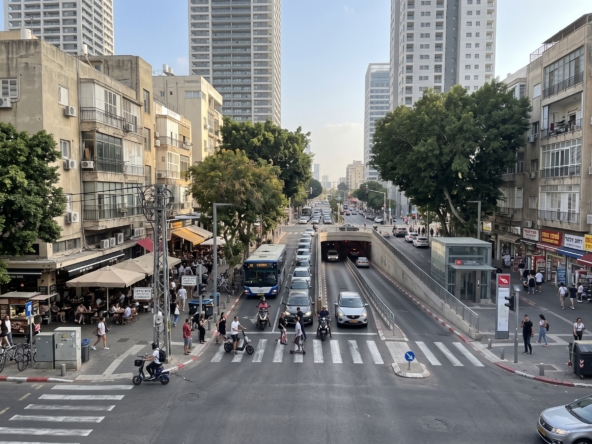
The most significant factor currently influencing valuation and demand in this specific environment is undoubtedly the Light Rail transit project. The Red Line’s Allenby Station is physically located at the intersection of Yehuda Halevi and Allenby streets.
The opening of this station has transformed the street into a primary transit corridor. The ability to commute to employment hubs in Ramat Gan, Bnei Brak, and southern Tel Aviv via a smooth, minutes-long underground ride significantly increases the investment viability of adjacent properties. However, it is important to note objectively that proximity to an active underground transit station brings heavy pedestrian traffic during the day. This alters the street’s character, making the segments closest to the station much more commercial and bustling, and consequently less quiet compared to strictly residential backstreets.
Architecture, Conservation, and Construction Trends
Construction along the street features a fascinating mix of architectural styles. One can find strictly conserved buildings showcasing the early Eclectic style of the 1920s alongside classic Bauhaus structures that have undergone reinforcement or localized urban renewal programs.
Properties in conservation buildings usually benefit from high ceilings, large windows, and spacious layouts—characteristics that highly appeal to target audiences seeking aesthetic uniqueness over standard modern construction. Conversely, the maintenance costs in these historical buildings are significantly higher, and many lack standard underground parking solutions, which is a critical issue for buyers who own luxury vehicles. Newer projects constructed on various plots along the street offer fully modern solutions, including automated robotic parking facilities and smart home systems, bridging the historical gap. Finding the right balance often requires consulting a knowledgeable real estate agent in Israel who understands these localized micro-market dynamics.
Demographic Profile: Who is Buying Here?
The demographic drawn to properties on this street consists primarily of a high socioeconomic class. There is a prominent presence of senior executives in the technology sector looking for apartments with spacious home office areas, affluent couples who have decided to leave the sleeping suburbs for a vibrant urban lifestyle, and foreign residents seeking a foothold in the heart of the city.
This specific audience demands a meticulous standard of finish, maximum privacy despite the central location, and professional property management. Navigating this landscape effectively often drives buyers to seek out a reputable real estate agent in Tel Aviv, as top-tier assets in this enclave are frequently transacted off-market. Engaging with top real estate agencies in Israel is becoming a necessity rather than a luxury for those unwilling to compromise on property quality.
Pros and Cons Analysis (An Objective View)
Prominent Advantages:
Maximum Accessibility: Immediate proximity to the Red Line light rail and central traffic arteries.
Aesthetics and Conservation: A high concentration of historically and architecturally valuable buildings that tend to hold their value even during market slowdowns.
Rigid Rental Demand: A continuous influx of high-quality tenants ensures consistent yields for investors.
Walkability: Immediate access on foot to cultural venues, culinary hotspots, and urban parks.
Disadvantages and Complexities:
Parking Challenges: Older and conserved buildings have an inherent lack of standard parking spaces, necessitating reliance on expensive public lots or high-maintenance robotic systems.
Urban Congestion: During peak hours, particularly around the transit stations, the street experiences heavy foot traffic and urban noise, which may not suit those seeking absolute tranquility.
Ongoing Construction: Due to continuous urban renewal, certain blocks still endure background noise from active construction sites.
Professional Working Methodology in the Luxury Market
When marketing or searching for properties in such strategic locations, a high level of expertise and a deep understanding of client needs are required. While it is easy to find a realtor in Israel, finding a professional capable of analyzing municipal building plans, understanding future zoning trends, and presenting a property optimally requires a completely different skill set.
Our professional tip for enhancing the sales process, routinely implemented by Concord Real Estate, is professional architectural photography: we do not settle for smartphone photography (since a phone cannot achieve the same results as professional photography and limits the photographer). Using a professional architectural photographer for the right lighting and angles highlights the property’s advantages on listings and makes quality buyers want to visit physically. This approach reflects the seriousness required when operating in such a complex and competitive environment.
The Future Outlook of the Street
The evolution of Yehuda Halevi Street is not halting. With the completion of additional mixed-use residential and commercial towers at the edges of the street, alongside optimal integration into the municipal bicycle path network, the street is expected to further solidify its status as a highly sought-after residential corridor. The conceptual shift from vehicle reliance to pedestrian movement and high-quality public transit aligns with trends seen in leading global city centers, reinforcing the assessment that property values here will maintain their resilience in the coming years.
Frequently Asked Questions from High-Net-Worth Buyers
Is buying property on Yehuda Halevi Street a secure investment long-term? Historically and based on current trends, properties in the historic city center demonstrate high stability. The addition of the light rail and ongoing urban renewal solidifies the street as a strategic corridor. However, a sound acquisition must factor in the specific building’s condition, future appreciation potential, and existing parking arrangements to guarantee long-term attractiveness.
How has the new light rail infrastructure impacted rental yields here? The opening of the Red Line has significantly expanded the geographical radius of potential renters and buyers who work outside the core of Tel Aviv but wish to reside within it. This has driven up demand for properties surrounding the Allenby station—particularly among singles, established young couples, and tech employees—creating a more stable and active rental market.
Do parking limitations in conservation buildings significantly deter affluent tenants? For some foreign residents, especially those accustomed to living standards that inherently include private attached parking, this is a notable drawback requiring compromise. Nevertheless, the growing awareness of alternative transit, the immediate availability of taxis, and proximity to mass transit hubs mitigate the severity of this issue. Creative solutions, such as renting or purchasing dedicated spots in nearby public lots, are widely accepted among these buyers.
To schedule a consultation, property valuation, or a property tour with Concord Real Estate, led by CEO Guy Gidon (Frishman 21, Tel Aviv), contact us at: +972 50-999-0402.