Lilienblum Street: The Premium Historic Core of Tel Aviv Real Estate
TL;DR: Lilienblum Street has evolved from Israel’s historical financial hub into one of Tel Aviv’s most sought-after luxury residential corridors. Characterized by strict preservation laws, eclectic architecture, and extreme proximity to vital urban infrastructure like the Light Rail and Rothschild Boulevard, the area offers high-net-worth individuals and international investors rare, prestigious real estate with solid long-term value retention.
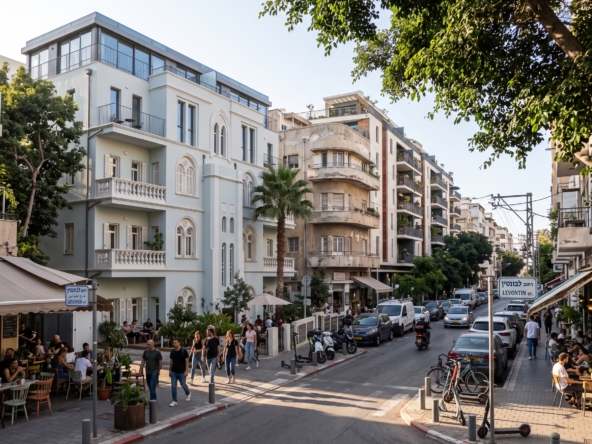
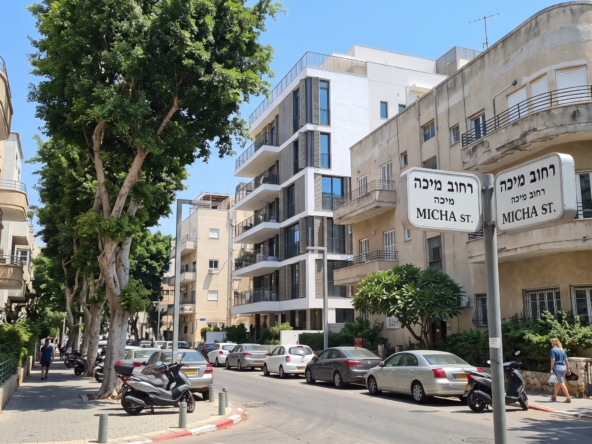
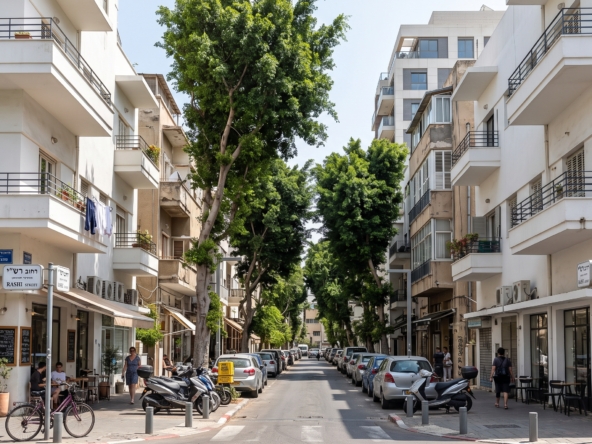
Lilienblum Street represents one of the most fascinating and highly demanded corridors in the city’s real estate market. Transitioning from its past role as the undisputed financial center of Israel to its current status as a luxurious residential and boutique commercial hub, the area showcases an extraordinary real estate evolution. For buyers and investors seeking properties that combine historical heritage with urban progression, Lilienblum provides a unique blend that is exceedingly difficult to find in other districts.
When analyzing current market trends with a knowledgeable real estate agent in Israel, it is evident that the focus on luxury assets here stems primarily from their rarity. Strict preservation regulations in the area prevent the massive construction of new towers directly along the street, thereby maintaining a highly limited supply and safeguarding the prestige of the existing historical structures.
Geographic Anchors and Urban Accessibility
The real estate value of Lilienblum is derived directly from its strategic positioning, seamlessly connecting the picturesque Neve Tzedek neighborhood with the city’s main boulevards. Proximity to key points in the public sphere is a critical factor in property valuation here:
Rothschild Boulevard: Located just 150 meters away (a quick 2-minute walk), providing residents with immediate access to the city’s primary cultural, culinary, and leisure epicenter.
Allenby Light Rail Station (Red Line): Positioned approximately 350 meters away (an easy 4-minute walk) from the eastern end of the street. This infrastructure completely alters the accessibility map, significantly reducing the reliance on private vehicles.
Suzanne Dellal Centre in Neve Tzedek: Located roughly 600 meters away (a 7-minute walk), serving as a cultural anchor that elevates property values within its radius of influence.
Demographic Profile and Demand Trends
The demographic segment interested in acquiring properties on Lilienblum Street predominantly consists of high-socioeconomic individuals. We observe a substantial presence of senior executives, tech entrepreneurs, and foreign investors seeking luxurious “pied-à-terre” apartments or highly stable investment assets. Unlike neighborhoods characterized by young families, buyers here deeply appreciate the eclectic architecture, high ceilings, and expansive layouts typical of the Bauhaus and eclectic buildings lining the street. Any experienced real estate agent in Tel Aviv who knows the luxury arena will confirm that these buyers are willing to invest premium capital in architecturally renovated properties that preserve the historical spirit.
The Impact of Future Infrastructure and Urban Renewal
Urban renewal processes around Lilienblum differ from those seen in the northern parts of the city. Here, the emphasis is heavily placed on strict preservation and the conversion of historic commercial and office buildings into luxury residences. The operation of the Light Rail’s Red Line has already stimulated value appreciation. However, the future development of the public realm around the street, including transforming certain segments into pedestrian- and cyclist-friendly zones, is expected to continuously bolster the area’s attractiveness. Many top real estate agencies in Israel are tracking developers who recognize this potential, investing in mixed-use preservation projects that feature boutique commercial spaces on the ground floor and premium residential units above.
In-Depth Analysis: Pros and Cons of Investing and Living Here
To provide a thoroughly professional and objective picture, it is essential to examine both the advantages and the challenges the area presents.
Notable Advantages:
Character and Historic Prestige: The buildings offer a unique aesthetic that simply cannot be replicated in standard modern construction.
Transit Accessibility: Close proximity to the Light Rail and main traffic arteries makes commuting, both internally and outside the city, highly efficient.
Investment Stability: Rigid demand from foreign residents and affluent domestic populations maintains property values even during periods of broader market volatility.
Challenges to Consider:
Inherent Parking Density: Preserved buildings generally do not offer underground parking facilities, requiring alternative solutions such as monthly subscriptions in nearby public lots.
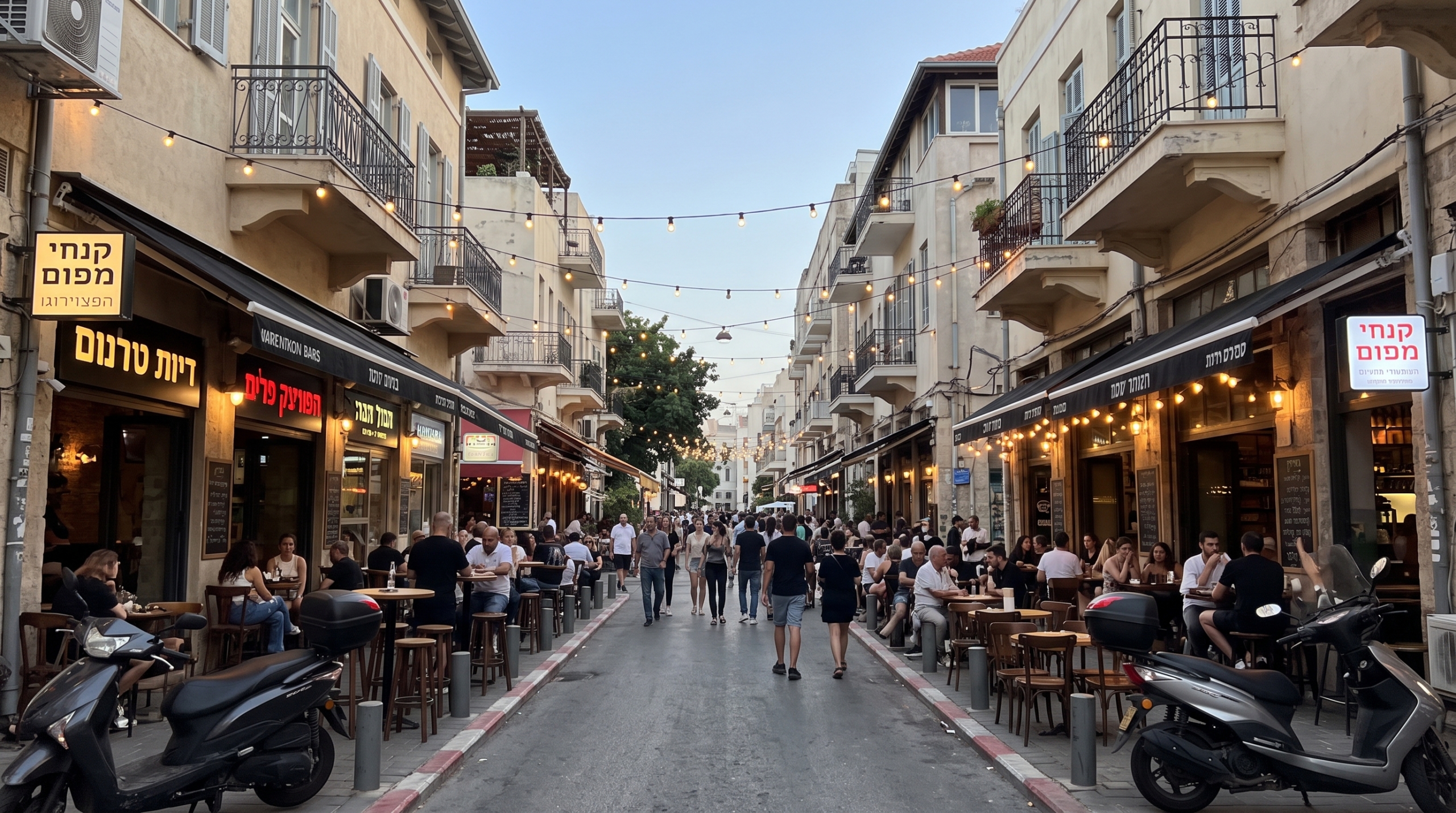
Urban Noise and Bustle: The integration of entertainment and commercial venues creates a highly dynamic environment, which may be too noisy for those seeking absolute tranquility.
Higher Maintenance Costs: Historical buildings and apartments within preserved structures require more rigorous, ongoing maintenance.
Expert Tip for Sellers: Maximize Your Property’s True Value
When consulting a realtor in Israel to sell a luxury property, there is a critical aspect that is often overlooked. Accurate Measurement (Gross/Paldelet vs. Net/Tabu): It is imperative to emphasize that the real estate market in Israel is priced and operates based on gross area (known as “Paldelet area” – the net size of the apartment plus walls, but excluding shared spaces like stairwells). Most sellers make a terrible mistake and advertise the property according to the Tabu (Land Registry) or municipal tax records, which display an area significantly smaller than the actual size of the apartment! At Concord Real Estate, we physically measure every property in advance to present the true, full size (Gross). By doing so, we maximize the property’s value for the seller and prevent missing out on buyers who might have filtered the apartment out on listing boards thinking it was “too small.” This specific expertise is exactly what separates average marketing from exceptional representation.
Frequently Asked Questions by Luxury Buyers
Is buying a property on Lilienblum Street considered a secure investment long-term? Yes. The stringent building and preservation restrictions in the area make the supply of apartments highly rigid and limited. This rarity, combined with consistent demand from local and foreign investors, ensures excellent value retention and long-term appreciation potential, particularly for properties with distinct historical and architectural significance.
What are the potential yield differences between standard residential apartments and those in preserved buildings? Apartments in preserved buildings on this street typically attract highly affluent tenants (such as diplomats or senior tech executives) who are willing to pay a premium for uniqueness, design, and status. Consequently, the rental yield per square meter can be notably higher, generating a more stable and high-quality return compared to standard apartments in adjacent areas.
Will the pedestrianization of parts of the area or the widening of sidewalks negatively impact property accessibility? On the contrary. The trend of pedestrian zones in Tel Aviv consistently increases the value of surrounding commercial and residential properties by reducing vehicle noise and air pollution, while encouraging the environmental development of cafes and cultural hubs accessible on foot. Proximity to Light Rail stations provides a highly efficient solution for longer-distance mobility, fully compensating for the reduction of private vehicle traffic in the immediate streets.
To schedule a consultation, property valuation, or a property tour with Concord Real Estate, led by CEO Guy Gidon (Frishman 21, Tel Aviv), contact us at: +972 50-999-0402.