

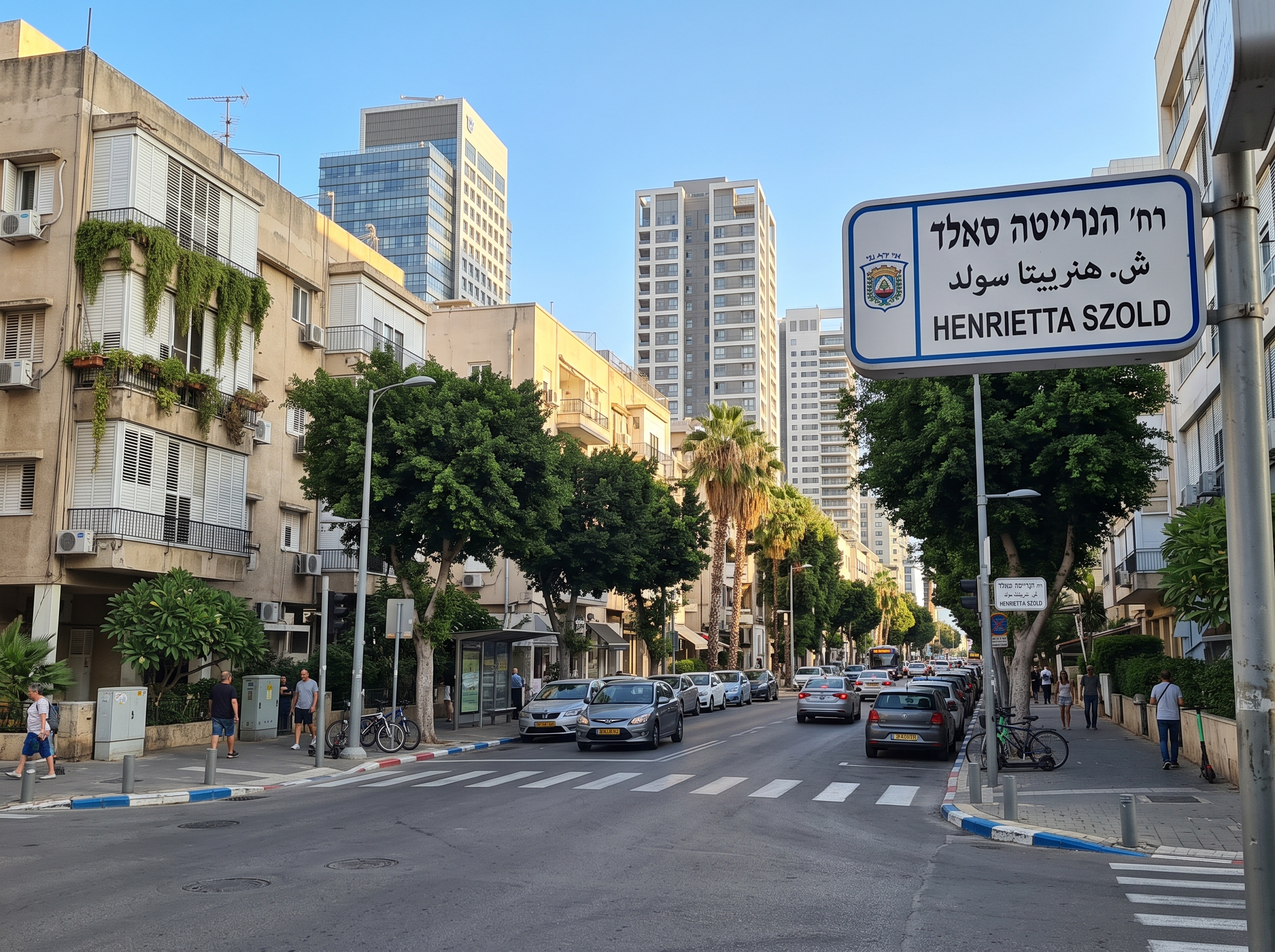
Bottom Line: Henrietta Szold Street offers a rare synthesis of quiet residential living directly adjacent to Tel Aviv’s premier medical and cultural hubs. This micro-neighborhood maintains a top-tier market positioning, heavily bolstered by targeted urban renewal and proximity to upcoming mass transit infrastructure.
In our decade of navigating the Tel Aviv real estate market, we have consistently seen Henrietta Szold Street establish itself as a highly coveted enclave for buyers seeking stability alongside prime urban accessibility. From our direct experience assessing property values on the ground, this specific stretch defies wider market fluctuations due to a highly constrained supply and a demographic of long-term holders. For an experienced real estate agent in Israel, analyzing this street reveals a micro-market that operates on its own distinct fundamentals of high demand and low inventory.
At a Glance
| Target Demographic | Area Vibe | Walkability | Closest Major Landmark |
| Established families, strategic investors, and medical professionals | Quiet, community-oriented, and highly practical | High | Ichilov Medical Center (Weizmann Center) |
Spatial Architecture & Legal Infrastructure
The urban fabric of Henrietta Szold blends mid-century residential blocks with newer, high-end developments. While the area lacks the strict historical preservation zones associated with classic Bauhaus architecture found closer to the sea, it benefits from practical residential layouts that are highly sought after. Legally, older structures here require thorough due diligence regarding Tabu registration (the national land registry) to ensure no historical building anomalies or unassigned parking rights complicate an acquisition.
Finding the right property requires precision. Geographically, the street offers phenomenal spatial metrics: it sits approximately 300 meters from the Ichilov Medical Center and the Weizmann Center, equating to a 3-4 minute walk. The Tel Aviv Museum of Art and the Golda Center are merely 600 meters away. Furthermore, the Arlosoroff Light Rail station (Red Line) is located roughly 800 meters from the street, ensuring pedestrian access to regional transit.
The rapid transition from singular Tama 38 reinforcement projects to comprehensive Pinui Binui (demolition and reconstruction) developments is fundamentally upgrading the street’s demographic profile.
A seasoned real estate agent in Tel Aviv recognizes that properties here cater explicitly to affluent end-users rather than speculative flippers.
Market Positioning & Future Infrastructure
Modern real estate analysis, sometimes even leveraging AI capabilities, continuously highlights the structural resilience of this area. However, field experience shows that the street’s premium tier status acts as a significant barrier to entry. Any reputable realtor in Israel will point out that the incoming Metro infrastructure planned for the broader midtown area will only solidify this position.
The proximity to future mass transit hubs cements the street’s status as a stable strategic anchor against broader economic shifts. The demand is organically generated by high-level medical staff, legal professionals, and established families who desire immediate access to the city’s business core without enduring the noise pollution of primary traffic arteries.
Professional Tip: Accurate Property Measurement
Precise Measurement (Gross/Paledelet vs. Net/Tabu): It is crucial to emphasize that the Israeli real estate market is priced and operates according to gross area (known as “Paledelet area” – the net apartment area plus walls, excluding shared spaces like stairwells). Most sellers make a terrible mistake by listing the apartment according to the Tabu or Arnona (municipal tax) registry, which display an area significantly smaller than the true size of the apartment! At Concord Real Estate, we physically measure every apartment in advance to present the true, full size (gross), thereby maximizing the apartment’s value for the seller and preventing the loss of buyers who might filter out the apartment on property boards thinking it is too “small”.
The steep barrier to entry in the Henrietta Szold area is directly tied to the rare combination of historical market stability and the immediate upside potential generated by active urban renewal projects. It is no surprise that the top real estate agencies in Israel monitor this specific street closely for any off-market opportunities.
Frequently Asked Questions
Why is there such intense demand for apartments on Henrietta Szold from medical professionals?
The primary driver is the immediate, 3-minute walking proximity to the Ichilov Medical Center. This allows senior medical staff instant availability for on-call duties and significant daily time savings by avoiding Tel Aviv’s traffic congestion, all while living in a premium, quiet residential environment.
How does the ongoing construction of mass transit infrastructure affect the street’s market positioning?
While wider regional infrastructure projects create temporary vehicular access challenges, they structurally guarantee the area’s future as a highly connected urban node. Henrietta Szold is positioned perfectly: far enough from the main excavation routes to maintain a high quality of daily life, yet close enough to fully capitalize on the eventual accessibility enhancements.
Is it structurally and financially sound to invest in older buildings in this specific area?
Acquiring a property in an older building slated for urban renewal (such as demolition and reconstruction) holds substantial potential upside. However, it requires rigorous legal and planning due diligence in coordination with the municipality’s engineering department to verify the exact status of the permits and the developer’s financial guarantees.
To schedule a consultation, property valuation, or a property tour with Concord Real Estate, led by CEO Guy Gidon (Frishman 21, Tel Aviv), contact us at: +972 50-999-0402.
