HaAvoda Street, Tel Aviv: A Precise Blend of Quiet Luxury in the City Center
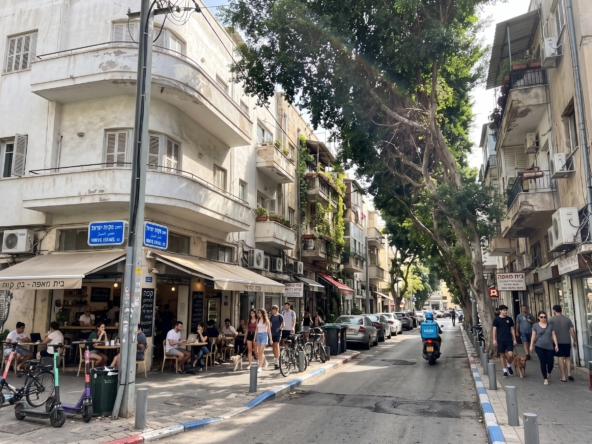
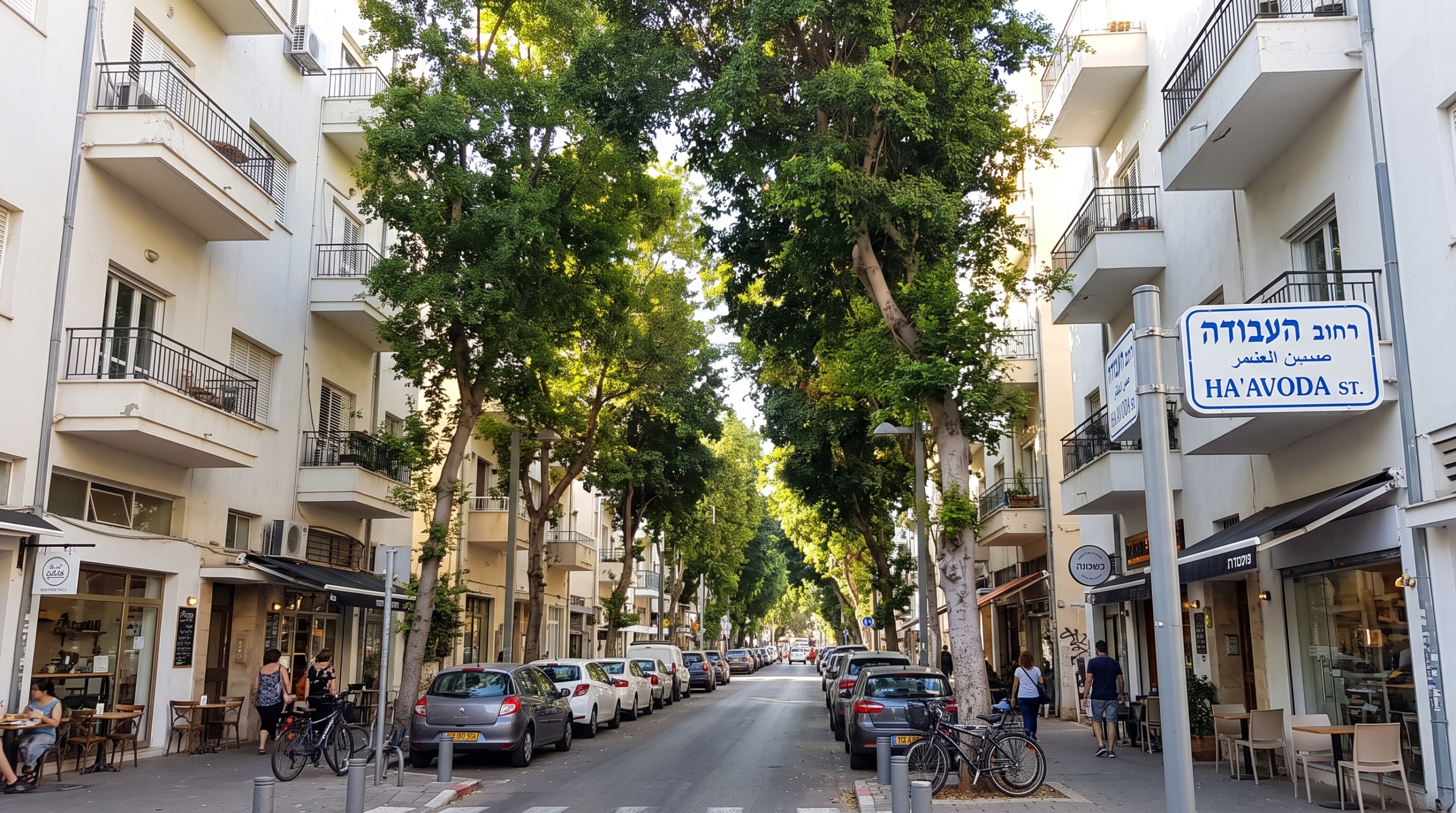
HaAvoda Street is strategically positioned in a highly unique spot within the historical and commercial core of Tel Aviv. This short, one-way street operates as its own urban micro-climate: while surrounded by some of the most vibrant and bustling arteries of the city, the street itself maintains an extraordinary level of tranquility and privacy. This sharp contrast makes it one of the most distinguished target locations for buyers and investors seeking a balance between ultimate accessibility and a premium standard of living. In the following professional overview, we will analyze the physical, demographic, and real estate characteristics of HaAvoda Street, examining exactly why it retains its robust value over time.
Geographical Context and Key Points of Interest
The geographical placement of HaAvoda Street, connecting Yohanan HaSandlar Street to Baalei HaMelacha Street, situates its residents within immediate walking distance of the city’s primary cultural, leisure, and commercial anchors. This proximity translates directly into rigid demand from both renters and buyers, as it practically eliminates the need for private vehicle dependency.
First, Meir Park, one of Tel Aviv’s most cultivated and central green lungs, is located approximately four hundred meters away from the street—a comfortable five-minute walk. The park offers sports facilities, quiet seating areas, and dog parks, serving as a vital community anchor for families and pet owners residing in the vicinity. Second, Carmel Market, the vibrant culinary and commercial epicenter of the city, is situated about five hundred meters away, or a six-minute walk. Rapid access to the market, as well as to the adjacent Sheinkin and King George streets, provides residents with immediate availability of fresh produce, boutique cafes, fashion stores, and chef restaurants. Furthermore, Magen David Square and the junction with Allenby Street are located approximately three hundred and fifty meters away (a four-minute walk). This links residents directly to the primary public transportation corridors of the metropolis. Finding the right property here requires expertise, which is why consulting a reputable real estate agent in Israel is crucial for navigating this highly specific micro-market.
Market Dynamics and Local Architecture
The architectural fabric on HaAvoda Street and its immediate surroundings is characterized by a blend of Eclectic and Bauhaus (International Style) buildings. A significant portion of the structures in this area are designated for strict historic preservation, a fact that deeply influences the local real estate market. On one hand, preservation restrictions make it difficult to add extensive building rights, thereby limiting the supply of new apartments in the area. On the other hand, this lack of supply, combined with the unique aesthetics of restored buildings, generates a significant preservation premium.
Any historical apartment that undergoes a thorough renovation is quickly absorbed by the market. Buyers are willing to pay a premium for high ceilings, original wooden windows, and spaces with a historical character that simply cannot be replicated in standard modern construction. Navigating the regulatory complexities of preservation buildings is where partnering with a skilled real estate agent in Tel Aviv proves invaluable.
Demographic Profile of Residents and Buyers
The transformations that the city center has undergone over the past decade are distinctly reflected in the population mix on HaAvoda Street. While the area was once predominantly characterized by a young, bohemian, and student demographic living in shared apartments, today we observe a clear shift toward a much more established population. The current profile consists of several primary groups: high-tech executives seeking proximity to the employment hubs along Rothschild Boulevard; affluent empty nesters selling large suburban properties in favor of accessible urban living; and international investors who recognize the neighborhood’s value stability. This mix creates a stable community that demands a higher standard of building maintenance and property management.
The Impact of Future Infrastructure: The Light Rail Purple Line
One of the central growth engines for real estate values in the vicinity of HaAvoda Street is the Light Rail project, specifically the future Purple Line slated to run along Allenby Street. The conversion of Allenby into a transit-oriented pedestrian mall (restricted from private vehicle traffic) is expected to transform the entire area.
HaAvoda Street is ideally positioned regarding this project: it is close enough to the future station at Magen David Square to enjoy absolute transit accessibility to the entire metropolitan area, yet it is tucked away enough to avoid the noise, vibrations, and direct foot traffic of the rail route. This combination of optimal accessibility without compromising quality of life is a critical factor that strengthens the street’s attractiveness to long-term investors working with any top real estate agencies in Israel.
Pros vs. Cons Analysis for Living and Investing
To make an informed decision, affluent buyers must weigh the objective data.
Core Advantages:
Walkability and Accessibility: The ability to manage a complete daily routine without a private vehicle, with immediate proximity to parks, premium shopping, culture, and public transit.
Real Estate Stability: An area characterized by rigid demand across all economic cycles. Properties on HaAvoda Street rarely sit vacant.
Historic and Architectural Value: Unique construction quality, appreciation potential in preservation buildings, and an intimate residential environment in the heart of the metropolis.
Challenges and Cons:
Parking Scarcity: Similar to most parts of the city center, parking on the street and its surroundings poses a significant challenge. A property without deeded parking may deter a specific segment of buyers.
Aging Infrastructure: In buildings that have not yet undergone renovation or urban renewal, there may be wear and tear in plumbing and electrical systems, requiring additional capital allocation upon purchase.
Future Construction Noise: The momentum of urban renewal and the infrastructure work in the Allenby area generate temporary discomfort that will persist over the coming years.
Professional Tip for Sellers and Investors
When approaching the sale or enhancement of a property in this established area, we advise against relying solely on the building’s current condition. 3D renderings for property potential: a critical working tool of ours at Concord Real Estate, especially for older apartments in central and northern Tel Aviv. We produce photorealistic 3D renderings that show the buyer exactly what the apartment will look like after a full renovation, removing their barrier of imagination, and thereby maximizing the property’s value for the seller. Renderings are critical for quite a few apartments that are in poor condition and need a facelift, as well as for new contractor apartments when the house is empty without furniture; it is very difficult to see the property’s potential with the appropriate furniture. This is a very simple solution to a very big problem. Engaging with a competent realtor in Israel who utilizes these advanced visualization tools ensures your asset is positioned to command its true market value.
Frequently Asked Questions (FAQ)
Is the rental yield on HaAvoda Street considered high compared to other neighborhoods in the city? The current rental yield (in percentage terms) in the city center tends to be conservative and stable, usually hovering around a relatively lower average compared to emerging neighborhoods. However, the true profit for investors in this area stems from capital appreciation over the years, relentless demand that ensures zero months of vacancy, and a high-quality tenant profile that reduces maintenance and management expenses.
How can one handle the lack of parking in historic properties in this area? Affluent buyers purchasing apartments without an attached parking space typically solve this by renting or purchasing a spot in nearby regulated parking facilities (such as the Bezalel parking lot or private garages in the vicinity). Furthermore, once the Light Rail becomes operational, the dependency on private vehicles in this area will drop significantly, which may decrease the negative impact that a lack of deeded parking has on future property values.
Is it better to invest in an apartment in a strict preservation building or a building slated for standard urban renewal? Each avenue offers different advantages. An apartment in a preservation building provides unique aesthetics, prestige, and sometimes certain tax exemptions, but its maintenance costs can be high and internal alterations are restricted. A building slated for standard urban renewal offers the developer’s profit potential of adding a safe room (Mamad), a balcony, and an elevator, often serving as a more conservative investment tailored to classic modern living needs. The choice depends entirely on your investment horizon and renovation budget.
To schedule a consultation, property valuation, or a property tour with Concord Real Estate, led by CEO Guy Gidon (Frishman 21, Tel Aviv), contact us at: +972 50-999-0402.