Yitzhak Elhanan Street, Tel Aviv: The Real Estate Gateway to Neve Tzedek
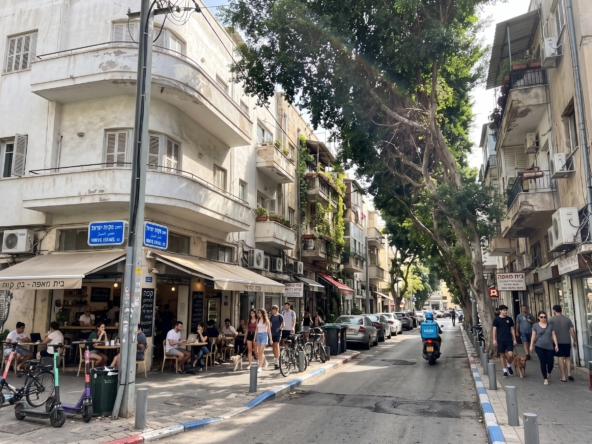
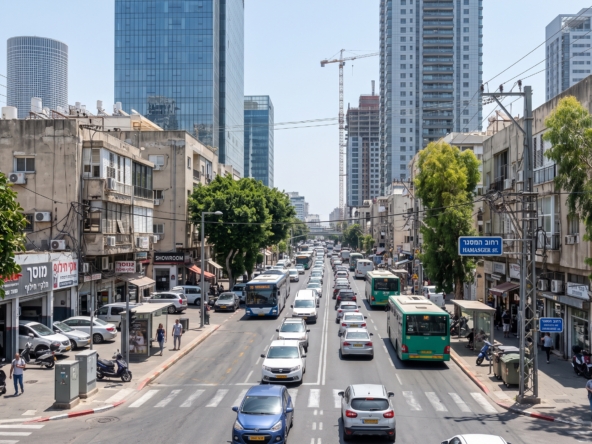
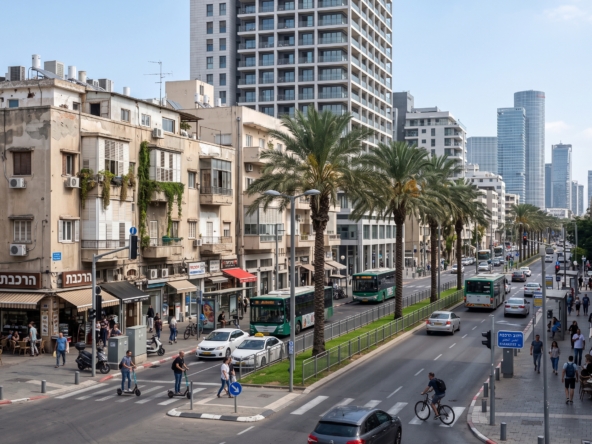
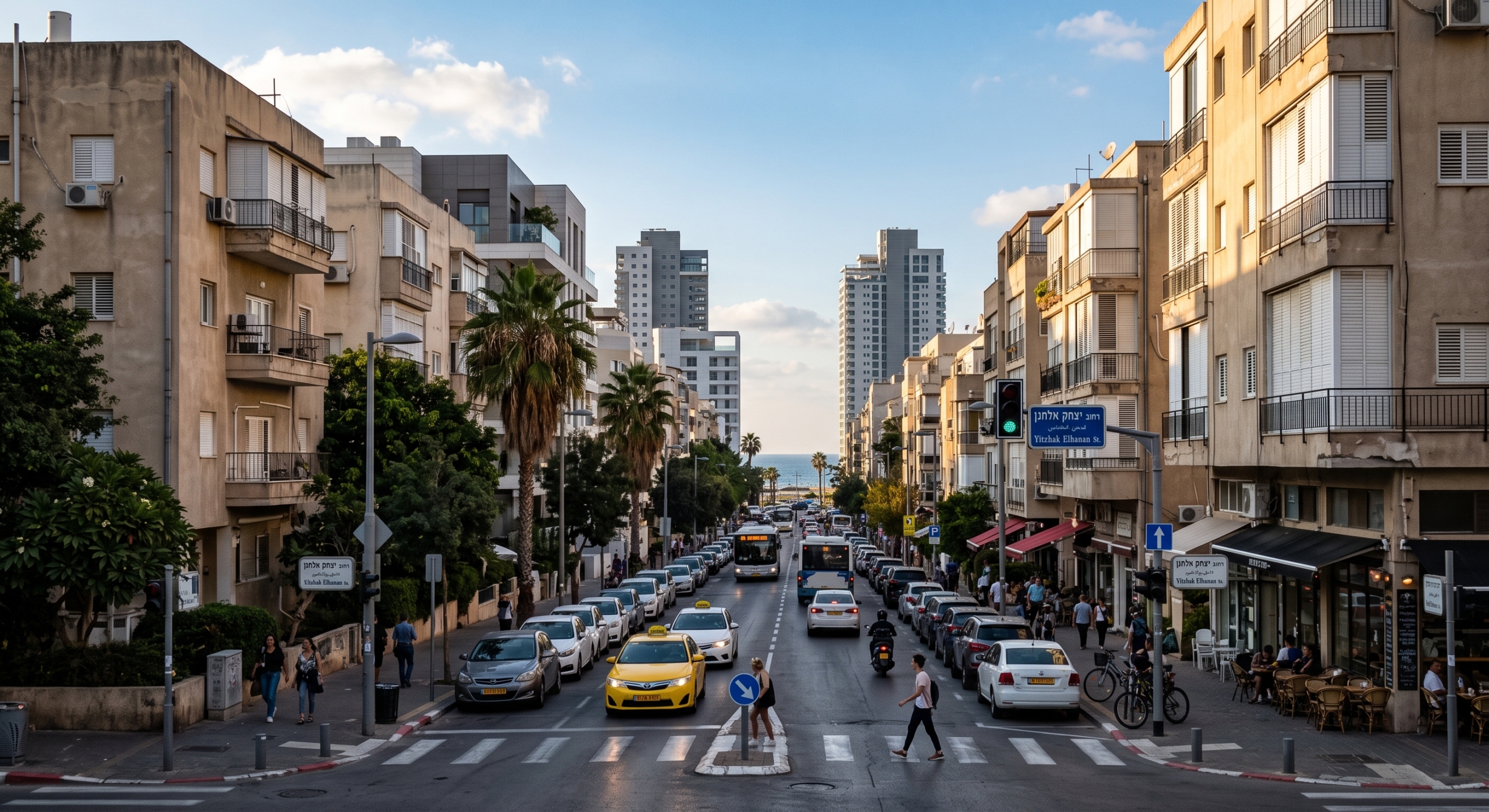
Yitzhak Elhanan Street occupies one of the most strategic geopolitical positions in Tel Aviv’s real estate landscape, serving as a physical and architectural bridge between the historic charm of the Neve Tzedek neighborhood and the bustling commercial core of the city. Over recent years, this corridor has undergone a massive transformation, evolving from a standard transit route into an avenue housing several of the city’s most prominent luxury developments. This unique positioning allows residents to enjoy the best of two contrasting environments: the quiet, low-rise conservation architecture of Neve Tzedek, alongside the urban convenience of the Central Business District.
Any real estate agent in Israel analyzing urban development trends recognizes that Yitzhak Elhanan is not just a standard street. Its evolution mirrors Tel Aviv’s transition into a global city, where modern high-rises integrate seamlessly with preserved low-build historical structures. For property owners and affluent buyers, understanding the dynamics of this specific street is essential for making highly informed investment decisions.
Geographic Anchors and Hyper-Local Points of Interest
The real estate value of Yitzhak Elhanan is heavily derived from its proximity to key points of interest, providing residents with unparalleled accessibility:
Hamesila Park (The Railway Park): Located just 400 meters away (about a 5-minute walk), this park has fundamentally altered the area’s dynamics. It serves as a green, vehicle-free artery connecting the street directly to the Mediterranean coastline and the historic HaTachana compound.
Elifelet Light Rail Station (Red Line): At a walking distance of approximately 7 minutes (500 meters), this transit hub offers immediate and efficient access to the major employment centers in Ramat Gan and Petah Tikva. This proximity is a critical factor driving demand among high-tier renters and buyers.
Carmel Market: Located about an 800-meter distance (a 10-minute walk), it provides daily access to fresh produce and authentic culinary experiences, adding immense lifestyle value to the neighborhood’s routine.
Future Infrastructure and Urban Development Impact
Infrastructure development around Yitzhak Elhanan is continuously elevating the neighborhood’s profile. The operational Red Line of the Light Rail has already established a new baseline for demand, but the street’s potential extends further. Ongoing urban renewal projects along the intersecting Rothschild Boulevard, coupled with systematic upgrades to the public domain, solidify the street’s status as a premium residential node.
Furthermore, the street’s connectivity takes on new importance as Tel Aviv systematically reduces private vehicle access to the city center. Neighborhoods that offer walking access to linear parks and highly efficient public transit are becoming exceptionally sought after. A top real estate agent in Tel Aviv clearly sees how this pedestrian-friendly infrastructure acts as a decisive factor for affluent demographics who wish to minimize their dependency on private cars.
Demographic Profile: Buyers and Residents
The population density along Yitzhak Elhanan consists of a highly specific mix of key demographic groups:
Foreign Residents and International Investors: Drawn to the proximity to Neve Tzedek and the uncompromising construction standards of the new luxury towers. For this demographic, a property here serves as a premium vacation home or a stable asset in a prime location.
Tech and Finance Executives: Local professionals working in the adjacent corporate towers (such as the Rothschild corridor and the Hasan Arafa complex) who seek premium housing within walking distance of their offices, without compromising on lifestyle amenities.
Downsizing Empty Nesters: Older couples transitioning from large private homes in the suburbs or northern neighborhoods to the city center. This affluent group seeks cultural access, fine dining, and pedestrian mobility, heavily prioritizing buildings with elevators, underground parking, and high-level management.
Pros vs. Cons Analysis for Living and Investing
Evaluating the area objectively requires balancing its distinct advantages with the realities of the urban environment.
Pros:
Hybrid Location: A rare synergy between the vibrant commercial pulse of the city and the picturesque, tranquil atmosphere of Neve Tzedek.
Advanced Infrastructure: Optimal proximity to the Light Rail and the municipal network of protected cycling lanes, allowing seamless urban mobility.
High Asset Liquidity: Properties in such rigid demand zones tend to retain their value remarkably well, even during broader economic cooling periods, and enjoy consistent rental demand.
Cons:
Localized Traffic Congestion: For those relying heavily on private vehicles, entering and exiting the immediate area during peak rush hours can be challenging due to multiple traffic lights and dedicated public transit lanes.
Ongoing Construction: Due to the momentum of urban renewal in adjacent lots, residents may experience noise and logistical inconveniences from active construction sites over the coming years.
Expert Tip: Accurate Measurement (Gross/Paledelet vs. Net/Tabu)
It is crucial to emphasize that the real estate market in Israel is priced and operates according to gross area (known as “Paledelet area” – the net apartment area plus walls, excluding shared spaces like stairwells). Most sellers make a terrible mistake and advertise the property according to the Tabu or Arnona registration, which present an area significantly smaller than the actual size of the apartment! At Concord Real Estate, we physically measure each property in advance to present the true and full size (gross), thereby maximizing the property’s value for the seller and preventing the loss of buyers who filtered out the apartment on listing boards because they thought it was too “small”. Furthermore, to ensure maximum market exposure, we utilize advanced artificial intelligence tools and provide comprehensive support in six languages, effectively connecting your property with both local and global buyers.
This meticulous approach is exactly what differentiates an average transaction from an exceptional one when working with a premier realtor in Israel.
Frequently Asked Questions
1. Are properties on Yitzhak Elhanan Street suitable for families, or primarily for investors and singles? The street is highly suitable for families, particularly given the close proximity to Hamesila Park and the educational institutions in Neve Tzedek. However, the larger family apartments (four to five rooms) in the luxury towers target a highly affluent demographic, whereas the smaller units are indeed frequently acquired by investors and foreign buyers.
2. How does the construction of new luxury towers impact the pricing of older buildings in the vicinity? The introduction of luxury high-rises elevates the prestige of the entire area, attracting a wealthy demographic that supports upgraded local commerce and infrastructure. Top real estate agencies in Israel note that this phenomenon typically drives up the value of older neighboring buildings, as their location becomes more desirable and their potential for future urban renewal (TAMA 38 or Pinui Binui) increases.
3. What are the primary parking considerations for buyers in this specific location? Given the density of the area and the scarcity of street parking, having a registered parking spot in the Tabu is critical and strongly preserves the property’s premium value. While underground parking is standard in the new towers, buyers of properties without parking must rely on the immediate proximity to the Light Rail, which naturally shifts the target audience to those comfortable with a car-free urban lifestyle.
To schedule a consultation, property valuation, or a property tour with Concord Real Estate, led by CEO Guy Gidon (Frishman 21, Tel Aviv), contact us at: +972 50-999-0402.