Yehuda HaYamit Street, Tel Aviv: A Historical Axis in the Modern Real Estate Market
Yehuda HaYamit Street serves as one of the primary commercial and transit arteries in Jaffa. While much attention is often directed at the vibrant heart of the city, this particular zone presents a unique urban fabric that seamlessly blends architectural history with substantial property enhancement potential. From a strictly objective standpoint, analyzing this area requires a profound understanding of the ongoing urban shifts. As a top real estate agent in Tel Aviv, examining the real estate trends here means looking deeply into accessibility, municipal planning, and long-term demand metrics.
The Geography of Value: Points of Interest and Accessibility
The value of a property is heavily dictated by its physical accessibility to strategic urban hubs. Yehuda HaYamit is positioned at an ideal intersection between main transit routes and cultural landmarks, functioning as an anchor that stabilizes market demand.
The Flea Market (Shuk HaPishpeshim): One of Israel’s leading commercial and culinary destinations is located exactly an 8-minute walk from the central segment of the street. This proximity allows residents to enjoy a rich cultural scene without relying on a private vehicle.
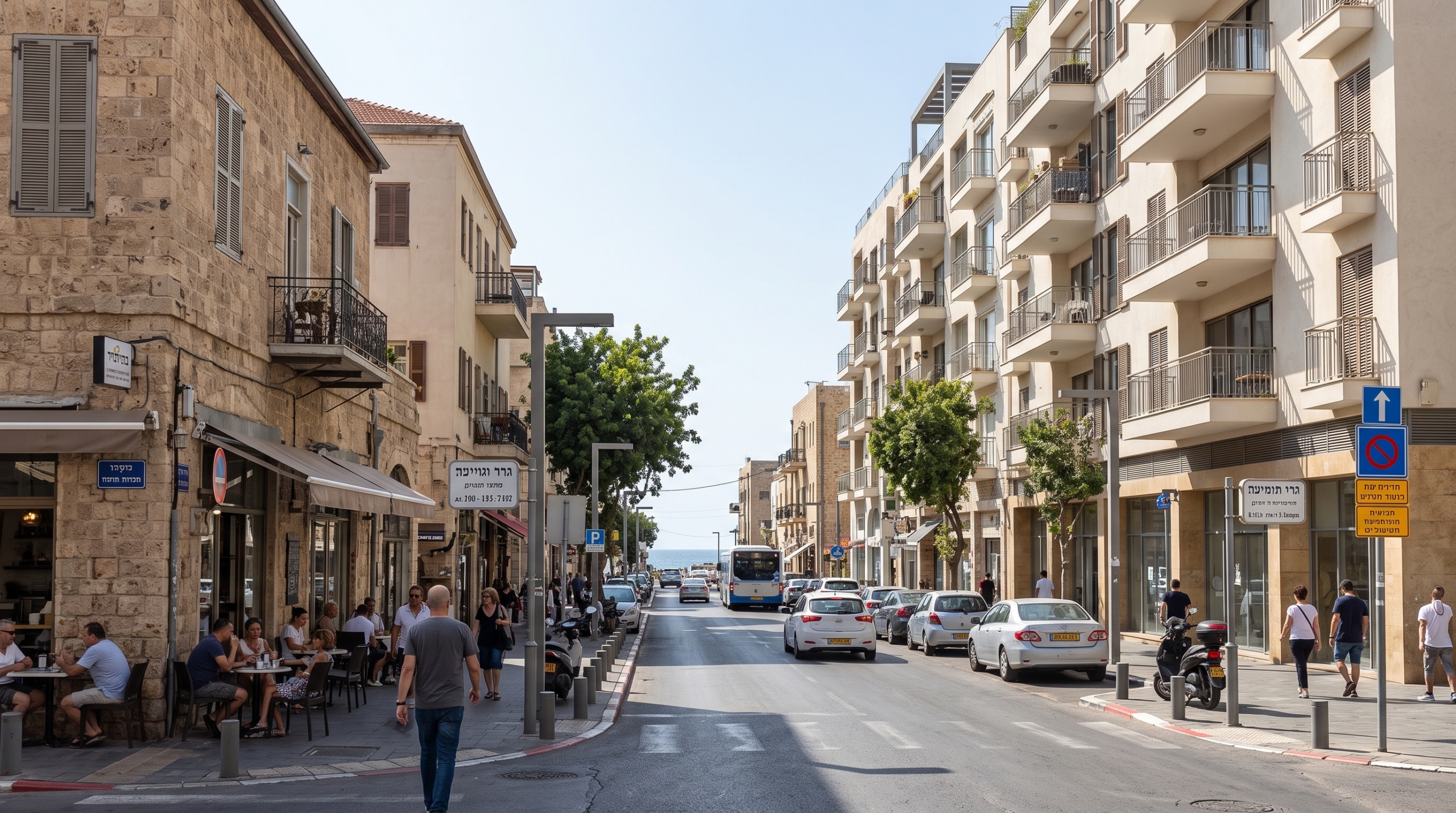
Jaffa Port: Situated approximately 600 meters from the western end of the street. The rapid access to the waterfront constitutes a distinct premium advantage that directly influences property interest, particularly among investors seeking proximity to the sea.
Jerusalem Boulevard Light Rail Station: Located about 250 meters from the core of the street. Access to this transit hub connects local residents to the broader employment centers of the Gush Dan metropolis with unprecedented efficiency.
Architecture and Property Mix
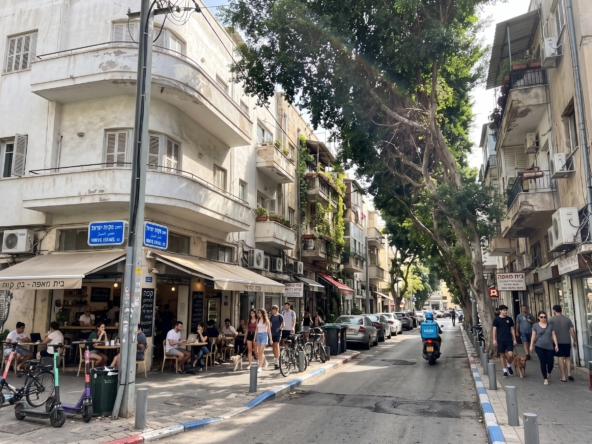
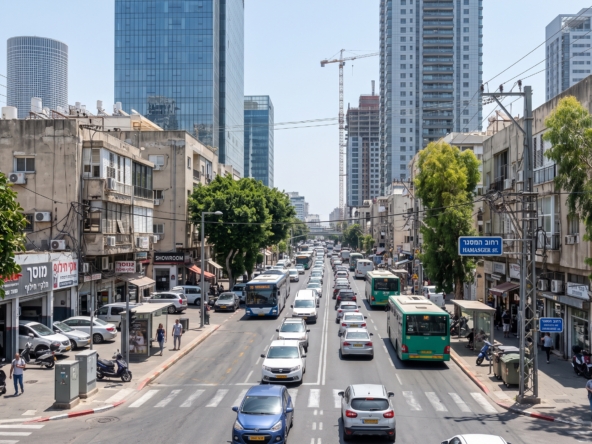
The built environment along the street is characterized by a fascinating mix of historic Jaffa construction—featuring stone buildings with high ceilings and spacious interiors—alongside mid-century blocks and localized modern developments. For any real estate agent in Israel analyzing this sector, the architectural traits inspired by the Ottoman and British Mandate periods are a key focus. Many properties demand comprehensive preservation or renovation work, providing fertile ground for developers and investors who specialize in upgrading historical assets. The mixed-use zoning along the street, combining commercial ground floors with residential apartments above, adds to the urban vitality but requires careful consideration regarding potential noise disruptions for residential buyers.
Demographic Profile: Buyers and Renters
The demographic shifts on the street indicate a continuous process of gentrification and urban renewal. The primary target audience expressing interest in the area consists of investors seeking stable yields or capital appreciation, young professionals drawn to the gritty, authentic urban character of Jaffa, and foreign residents searching for properties with a genuine historical footprint. The influx of a more established socioeconomic demographic contributes to the opening of new boutique businesses and incentivizes the local municipality to invest heavily in public realm infrastructure. Any realtor in Israel can attest that this demographic transition is a classic indicator of long-term real estate resilience.
Impact of Future Infrastructure and Urban Renewal
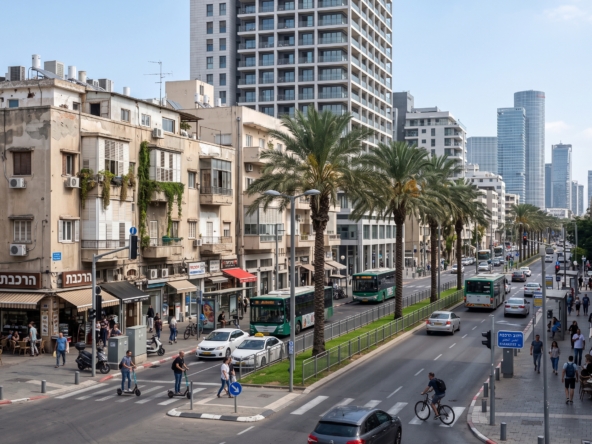
The launch of the Light Rail’s Red Line fundamentally altered the accessibility map of the area, yet this is merely the starting point. Local urban renewal plans are actively promoting the upgrading of commercial facades, the widening of pedestrian sidewalks, and the planting of shade trees along the thoroughfare. Furthermore, the broader municipal preservation trend facilitates the aesthetic regulation of historical buildings. This process traditionally attracts a stronger demographic base and vastly improves the sense of security and visual appeal within the public domain.
Pros vs. Cons Analysis for this Location
To provide a balanced, objective picture for any potential buyer or investor, here are the most prominent advantages and disadvantages of investing or living on this specific street:
Pros:
Transit Accessibility: A very short walking distance to the light rail and rapid connection to main highway exits.
Character and Uniqueness: Historic and authentic architectural elements that are virtually impossible to find in modern developments.
Proximity to Leisure Hubs: Short walking distances to the port, the flea market, and the coastal promenade.
Value Appreciation Potential: Driven by ongoing infrastructure and environmental development trends.
Cons:
Traffic and Noise: It is a major thoroughfare generating heavy vehicular traffic and notable urban noise.
Parking Scarcity: A significant lack of regulated parking solutions for many of the older buildings.
Property Maintenance Conditions: Several buildings are quite old, necessitating ongoing maintenance to combat natural wear and tear.
Mixed-Use Interferences: Ground-floor commercial spaces may produce disturbances during the late evening or early morning hours.
Strategic Expert Tip
When considering the sale or acquisition of a unique property, understanding the full landscape of market players is essential. Standing out among the top real estate agencies in Israel requires a broader strategy. Here is a professional insight from Concord Real Estate: International exposure to foreign residents: active marketing overseas. We advertise our properties on leading international portals to reach an audience of investors, Diaspora Jews, and immigrants from the USA, France, and the UK directly, thereby dramatically increasing competition for the apartment. This clientele is especially important because these are mostly more affluent individuals who are also interested, given the current global situation, in coming to Israel to have a sort of “safety cushion.” This is a very high-quality clientele that the average person in Israel would have some difficulty reaching on their own.
Frequently Asked Questions for Investors and Buyers
Is every building on the street designated for historic preservation? No. There are varying degrees of preservation that apply only to specific buildings, typically those constructed before the establishment of the state. It is imperative to review the specific municipal building file to understand planning limitations and opportunities before executing a transaction.
How will the progression of infrastructure work on adjacent streets affect property values? Historically, the completion of major infrastructure projects leads to market stabilization and increased demand. The improvement in pedestrian accessibility and the revitalization of public spaces are expected to strengthen the area’s appeal for both residential and commercial purposes.
What is the typical profile of apartment renters on this street? Renters are predominantly young professionals in their twenties and thirties who prefer living in a bustling urban environment with rapid access to the entertainment districts of Jaffa and southern Tel Aviv, while heavily relying on the newly established public transit networks.
To schedule a consultation, property valuation, or a property tour with Concord Real Estate, led by CEO Guy Gidon (Frishman 21, Tel Aviv), contact us at: +972 50-999-0402.