Melchett Street: The Urban Investment Gem in the Heart of Tel Aviv
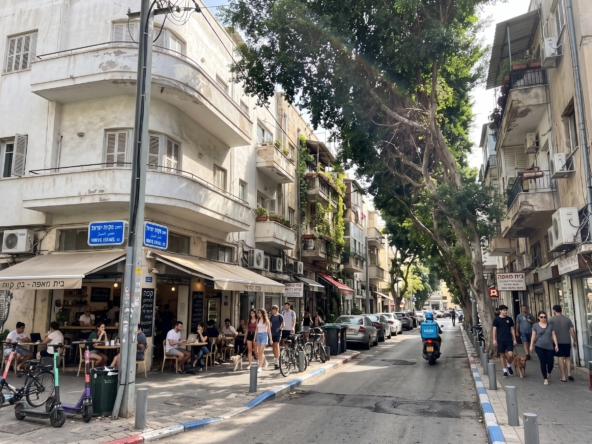
Melchett Street, situated in the very core of Tel Aviv’s ‘Lev HaIr’ (Heart of the City), presents a compelling case study for high-net-worth investors and luxury homebuyers. Characterized by its relatively quiet residential flow parallel to the bustling Rothschild Boulevard, the street blends architectural heritage with peak urban accessibility and solid capital appreciation potential. This objective review analyzes the local real estate dynamics of Melchett Street, examining factual planning trends, demographics, and intrinsic property values.
Geographical Anchors and Peak Urban Accessibility
The premium associated with real estate on Melchett Street is fundamentally derived from its hyper-local geography, which enables a complete urban lifestyle entirely independent of a private vehicle. To quantify this accessibility, it is critical to observe the concrete spatial metrics linking the street to prime Points of Interest (POIs):
Habima Square and Chen Boulevard: Located a mere 500 meters from the northern segment of Melchett Street, this equates to a completely flat, 6-minute walk. This immediate proximity to Israel’s national cultural epicenter serves as a permanent anchor for property valuation.
Rothschild Boulevard: Melchett runs parallel to and intersects the vicinity of the boulevard. The distance from the southern edge of Melchett to the prime Allenby-Rothschild intersection is approximately 150 meters—a swift 2-minute walk.
Future Light Rail Infrastructure: The upcoming Purple Line station on Allenby Street is situated roughly 400 meters from the center of Melchett, representing a 5-minute walk. Once operational, this transit hub will fundamentally upgrade the metropolitan mobility of local residents.
Architectural Profile and the Impact of Preservation Laws
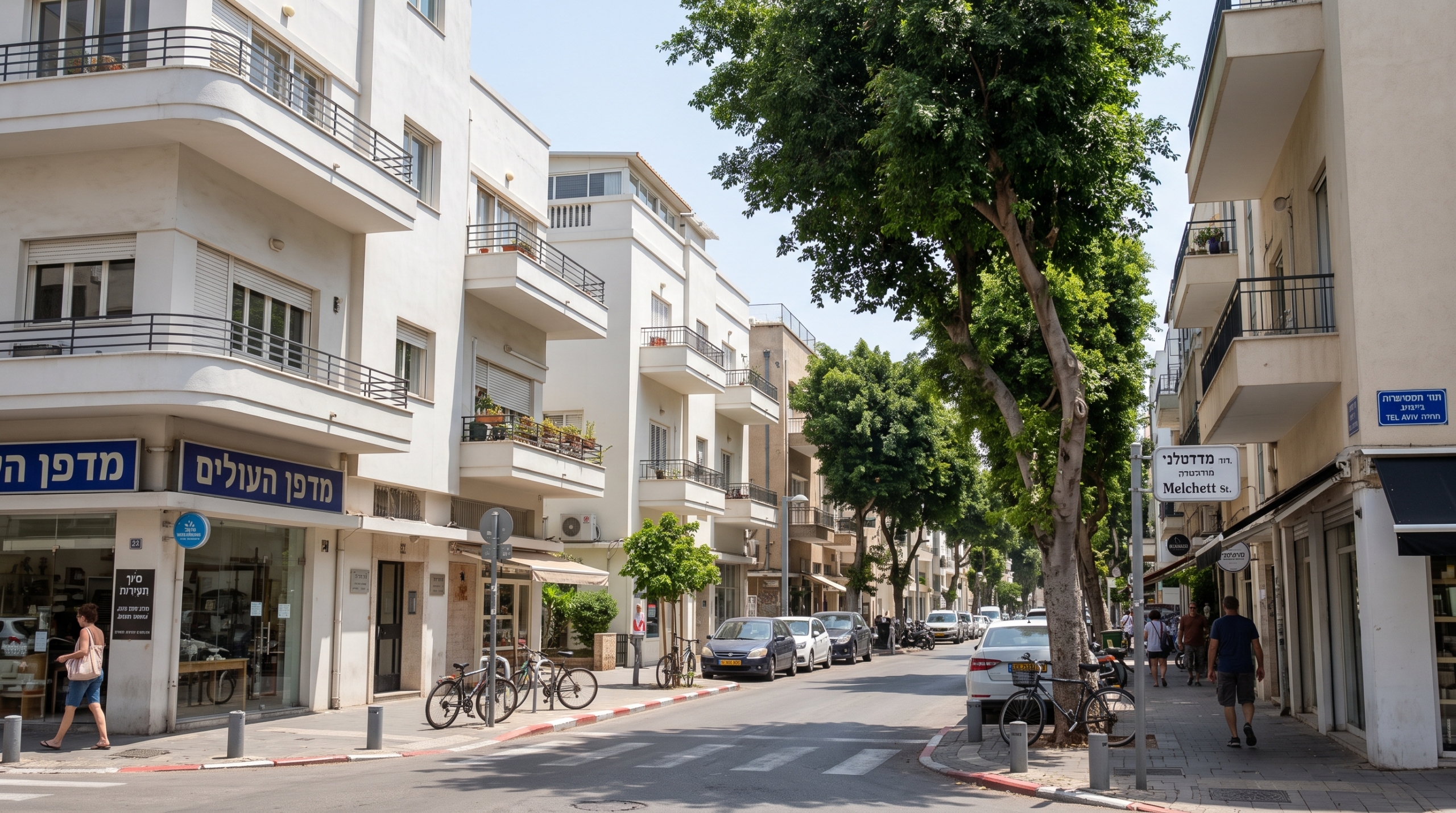
A significant portion of the structures on Melchett Street falls under the strict purview of the Tel Aviv municipality’s conservation policies. The street is lined with historical gems showcasing Eclectic and International (Bauhaus) architectural styles. This rigid preservation framework exerts a dual impact on the local real estate market. On the one hand, it severely restricts the supply of new inventory and drastically increases the overhead costs of construction and interior renovation. On the other hand, it protects the historic, low-rise aesthetic of the neighborhood. This distinct character is highly sought after by affluent buyers who prefer unique, historically significant properties over standard modern glass high-rises. Any top real estate agencies in Israel will note that understanding these zoning rights is essential for determining true asset potential.
Demographic Profile of Buyers and Tenants
The demand curve on Melchett Street is driven by specific, robust demographic segments. The primary cohort consists of foreign investors and international high-net-worth individuals seeking a Pied-à-terre or an income-producing asset that captures authentic Tel Aviv living. The second distinct group includes senior tech executives, successful entrepreneurs, and older couples—often empty nesters—transitioning from suburban private villas to the convenience of city-center apartments. Serving these sophisticated demographics requires a highly professional real estate agent in Tel Aviv who intimately understands the nuances of luxury urban transitions and international capital allocation.
Investment Analysis: Pros and Cons
To maintain an objective, realistic perspective on capital deployment in this area, we must analyze the fundamentals carefully:
Core Advantages:
Price Resilience: Due to the near-zero availability of vacant land in the city center and strict height limitations, property values on Melchett Street remain remarkably stable, even during macroeconomic fluctuations.
Optimal Residential Experience: It offers a rare equilibrium: a one-way, tranquil residential street that immediately abuts the city’s most vibrant commercial and culinary districts.
High-Quality Tenant Pool: Apartments here enjoy inelastic demand from premium renters. While the raw rental yield percentage may be modest compared to peripheral cities, the consistency of cash flow and tenant reliability are exceptional. Working with a knowledgeable real estate agent in Israel can help secure these premium tenancies seamlessly.
Challenges and Drawbacks:
Severe Parking Scarcity: A significant majority of properties, particularly within historic buildings, lack registered private parking. This is a considerable logistical hurdle for families with multiple vehicles.
Complex Permitting Processes: Internal modifications often trigger rigorous municipal inspections and demand specialized permits due to the building’s conservation status.
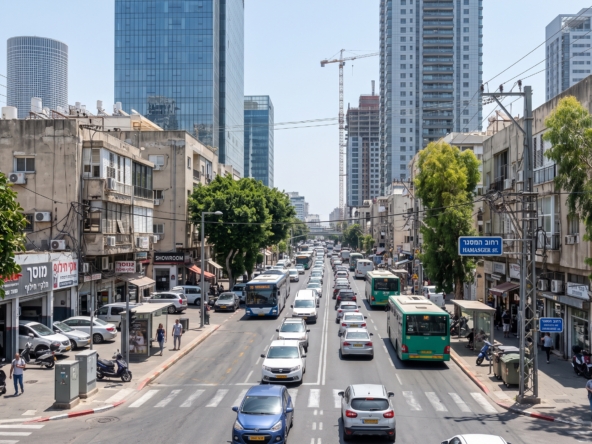
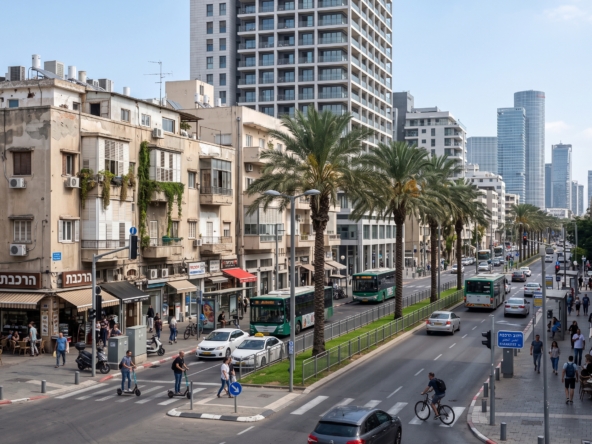
Ongoing Infrastructure Development: Over the next few years, the broader vicinity will experience localized disruptions due to the continued construction of the metropolitan Light Rail networks and utility upgrades.
Expert Recommendation: The Measurement Discrepancy
When navigating high-value transactions, microscopic attention to detail separates an average deal from an exceptional one.
Accurate Measurement (Gross/Paledelet vs. Net/Tabu): It is crucial to emphasize that the real estate market in Israel is priced and operates according to the gross area (known as “Paledelet area” – the net apartment area plus walls, excluding shared spaces like stairwells). Most sellers make a terrible mistake and advertise the property according to the Tabu (Land Registry) or municipal tax records, which present an area significantly smaller than the actual size of the apartment! At Concord Real Estate, we physically measure every property in advance to present the true and complete size (gross), thereby maximizing the property’s value for the seller and preventing the loss of buyers who filtered out the apartment on property portals because they thought it was too “small”.
Frequently Asked Questions by High-Net-Worth Buyers
Is buying property on Melchett Street a secure investment long-term? Yes. Melchett Street is located in one of the most heavily restricted zones for new construction in Israel, creating a structural supply shortage. When combined with relentless demand from affluent local and international buyers, investments here are considered highly defensive and geared for long-term stability.
How will the upcoming light rail network impact property values in this specific area? While short-term localized construction creates logistical friction, the long-term impact is highly positive. The operational Purple and Green lines will drastically reduce reliance on private vehicles, increasing the “accessibility premium” of properties within a 5 to 10-minute walking radius of the stations, inevitably supporting asset appreciation. Any experienced realtor in Israel will factor this upcoming infrastructure into future valuations.
Is it possible to secure properties with private parking along this historic street? It is rare but absolutely possible. Registered private parking is typically found in newer boutique developments (such as “TAMA 38/2” teardown-and-rebuild projects) or specific historical buildings that underwent extensive subterranean excavation during preservation. Securing a property with a deeded parking spot significantly boosts both the baseline valuation and the liquidity of the asset.
To schedule a consultation, property valuation, or a property tour with Concord Real Estate, led by CEO Guy Gidon (Frishman 21, Tel Aviv), contact us at: +972 50-999-0402.